The Domaine de la Noë Roquet - Vignoble Jaumouille of Pays Nantais of Loire Valley
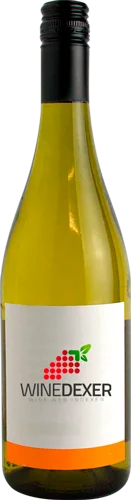
Domaine de la Noë Roquet - Vignoble Jaumouille
The winery offers 13 different wines
3.9


Note - 1Note - 1Note - 1Note - 1Note - 0
Its wines get an average rating of 3.9.
It is ranked in the top 265 of the estates of Loire Valley.
It is located in Pays Nantais in the region of Loire Valley

The Domaine de la Noë Roquet - Vignoble Jaumouille is one of the best wineries to follow in Pays Nantais.. It offers 13 wines for sale in of Pays Nantais to come and discover on site or to buy online.
Top Domaine de la Noë Roquet - Vignoble Jaumouille wines

Looking for the best Domaine de la Noë Roquet - Vignoble Jaumouille wines in Pays Nantais among all the wines in the region? Check out our tops of the best red, white or effervescent Domaine de la Noë Roquet - Vignoble Jaumouille wines. Also find some food and wine pairings that may be suitable with the wines from this area. Learn more about the region and the Domaine de la Noë Roquet - Vignoble Jaumouille wines with technical and enological descriptions.

Discovering the wine region of Pays Nantais

The Pays Nantais is the region surrounding the city of Nantes, on the Atlantic coast of Brittany, France. The region covers an area of about 90 kilometres from east to west, between neighbouring Anjou and the Atlantic coast. Most of the production produces light, fresh white wines. The most famous of these is undoubtedly Muscadet, where the melon">Melon de Bourgogne grape dominates the plantings.

Muscadet wines are, in turn, produced under several different appellations, including Muscadet Sèvre-et-Maine. Melon de Bourgogne is not a particularly tasty grape variety, so without care in the Vineyard and careful Vinification, the wines are likely to be rather bland and Characterless. This is especially true in hot vintages, when the grapes tend to lose their Organoleptic complexity and their vital, characteristic Acidity. In order to glean as much flavour and character as possible from the grape must, many wines are left on the lees for weeks or even months.

The top red wines of Domaine de la Noë Roquet - Vignoble Jaumouille

Food and wine pairings with a red wine of Domaine de la Noë Roquet - Vignoble Jaumouille

How Domaine de la Noë Roquet - Vignoble Jaumouille wines pair with each other generally quite well with dishes of beef, pork or game (deer, venison) such as recipes of braised beef with carrots, special' tagliatelle carbonara or rabbit fillet with mustard.

The grape varieties most used in the red wines of Domaine de la Noë Roquet - Vignoble Jaumouille.

  • Merlot
  • Cabernet Franc

Discover the grape variety: Sauvignon Gris

The top pink wines of Domaine de la Noë Roquet - Vignoble Jaumouille

Food and wine pairings with a pink wine of Domaine de la Noë Roquet - Vignoble Jaumouille

How Domaine de la Noë Roquet - Vignoble Jaumouille wines pair with each other generally quite well with dishes of veal, pork or game (deer, venison) such as recipes of chicken and sausage stew with carrots, delicious marinated pork chops or baked duck legs with potatoes.

The grape varieties most used in the pink wines of Domaine de la Noë Roquet - Vignoble Jaumouille.

  • Pinot Noir

The word of the wine: Net

Said of a frank wine with well-defined characteristics.

Discover other wineries and winemakers neighboring the Domaine de la Noë Roquet - Vignoble Jaumouille

Planning a wine route in the of Pays Nantais? Here are the wineries to visit and the winemakers to meet during your trip in search of wines similar to Domaine de la Noë Roquet - Vignoble Jaumouille.

Discover the grape variety: Pinot gris

Pinot Gris is a grey grape variety mutated from Pinot Noir. It has its origins in Burgundy, where it is called pinot-beurot in reference to the colour of the grey robes worn by the monks of the region. Established in Alsace since the 17th century, pinot gris was called tokay until 2007. It is made up of bunches of small berries that vary in colour from pink to blue-grey. It is particularly well suited to the continental climate because it is resistant to the cold in winter and to spring frosts. This variety also likes dry limestone soils with plenty of sunshine in the summer. Pinot Gris is well suited to late harvesting or to the selection of noble grapes, depending on the year and the concentration of sugars in the berries. Pinot Gris wines are distinguished by their aromatic complexity of white fruits, mushrooms, honey, vanilla, cinnamon, etc., and their great finesse. In the Loire Valley, pinot gris is used in the Coteaux-d'Ancenis appellations. It gives dry or sweet wines with pear and peach aromas.