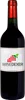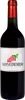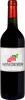
Domaine de l'OrvielIntense
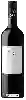
 Red wine


This wine generally goes well with beef and mature and hard cheese.

Food and wine pairings with Intense
Pairings that work perfectly with Intense


Original food and wine pairings with Intense
The Intense of Domaine de l'Orviel matches generally quite well with dishes of beef or mature and hard cheese such as recipes of boeuf en daube or market garden rice salad.
Details and technical informations about Domaine de l'Orviel's Intense.
Discover the grape variety: Petit Verdot
Dark, full-bodied reds with tight tannins and inky colour, showing aromas of blackberry, violet, gentle spice, liquorice and mentholated balsamic notes. Contributes colour, structure and aromatic freshness to great Médoc blends (Palmer, Léoville-Las Cases) where it remains a minority. Also vinified as a single variety in Spain (La Mancha), California, Australia and Argentina. A late-ripening Bordeaux variety.
Last vintages of this wine
The best vintages of Intense from Domaine de l'Orviel are 0, 2015
Informations about the Domaine de l'Orviel
The Domaine de l'Orviel is one of of the world's greatest estates. It offers 19 wines for sale in the of Vin de Pays to come and discover on site or to buy online.

The wine region of Vin de Pays
Intermediate category between AOC and Vin de France (renamed IGP in 2009), 27% of national volume. Accessible, expressive wines defined by their grape: opulent Chardonnay, lively Sauvignon, round Merlot, peppery Syrah, floral Viognier with apricot. 76 IGP in France at 3 scales: regional (Pays d'Oc, Méditerranée, Val de Loire), departmental or local. Flexible rules, wide range of permitted grapes, free grape and vintage labelling.
The wine region of Pays d'Oc
The single-grape IGP par excellence: modern, accessible, frank and fruity wines, the popular signature of the Midi. Spicy Syrah reds (pepper, blackberry), round Merlot, structured Cabernet, generous Grenache, supple Cinsault. Crisp, tangy rosés. Opulent Chardonnay whites, lively Sauvignon, floral, apricoty Viognier.
The word of the wine: Maturing (champagne)
After riddling, the bottles are stored on "point", upside down, with the neck of one bottle in the bottom of the other. The duration of this maturation is very important: in contact with the dead yeasts, the wine takes on subtle aromas and gains in roundness and fatness. A brut without year must remain at least 15 months in the cellar after bottling, a vintage 36 months.