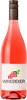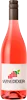
Domaine de l'AngladeRosé
 Pink wine



In the mouth this pink wine is a with a nice freshness.
This wine generally goes well with pork, vegetarian or poultry.

Taste structure of the Rosé from the Domaine de l'Anglade
Light | Bold | |
Dry | Sweet | |
Soft | Acidic |
In the mouth the Rosé of Domaine de l'Anglade in the region of Provence is a with a nice freshness.
Food and wine pairings with Rosé
Pairings that work perfectly with Rosé



Original food and wine pairings with Rosé

The Rosé of Domaine de l'Anglade matches generally quite well with dishes of pork, shellfish or vegetarian such as recipes of english breakfast, parsley knives or quiche with leeks and fresh salmon from flo.
Details and technical informations about Domaine de l'Anglade's Rosé.
Discover the grape variety: Klingelberger
Aromatic and mineral whites of great ageing potential, with a pale golden colour, a taut palate with vibrant acidity and signature aromas of citrus (lemon, grapefruit), green apple, flint, white flowers and petrol notes at maturity. Also as botrytised Spätlese, Auslese and Eiswein. Produces great whites in German Baden, a typical expression of Durbach and Schloss Staufenberg. Synonym of Riesling used in Germany (Baden, Durbach).
Last vintages of this wine
The best vintages of Rosé from Domaine de l'Anglade are 0
Informations about the Domaine de l'Anglade
The Domaine de l'Anglade is one of of the world's greatest estates. It offers 11 wines for sale in the of Provence to come and discover on site or to buy online.

The wine region of Provence
World capital of dry, refined rosé (~90% of production). Pale rose-petal colour, delicate nose of fresh red fruits (strawberry, raspberry, redcurrant), citrus (pink grapefruit), white flowers and a mineral touch, taut and thirst-quenching palate — the Mediterranean aperitif par excellence. Blends of Grenache, Cinsault, Syrah, Tibouren and Mourvèdre. Fleshy Bandol reds from Mourvèdre (leather, garrigue, age-worthy), straight Cassis whites.
The word of the wine: Dosing liqueur (champagne)
Also known as liqueur d'expédition, a solution made up of wine and sugar added to champagne after disgorgement and which determines the type of wine: extra-brut, brut, extra-dry, dry, demi-sec.