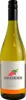
Domaine de BeauregardDouceur d'Automne
 White wine


This wine generally goes well with vegetarian, rich fish (salmon, tuna etc) or shellfish.

Food and wine pairings with Douceur d'Automne
Pairings that work perfectly with Douceur d'Automne



Original food and wine pairings with Douceur d'Automne
The Douceur d'Automne of Domaine de Beauregard matches generally quite well with dishes of rich fish (salmon, tuna etc), shellfish or vegetarian such as recipes of smoked salmon burger - chive cream, lobster and scallops on a bed of leeks or summer tuna quiche.
Details and technical informations about Domaine de Beauregard's Douceur d'Automne.
Discover the grape variety: Blaufränkisch
Structured, elegant reds with a deep ruby color with violet highlights, firm tannins and fresh acidity, offering signature aromas of red fruits (cherry, sour cherry), black fruits (blackberry, blackcurrant), spices, black pepper, herbs and mineral notes. Fine cellaring potential. Star of great Burgenland reds (Mittelburgenland DAC, Leithaberg DAC). Synonyms: kékfrankos in Hungary, lemberger in Germany. Austrian indigenous variety, one of the oldest in Central Europe.
Last vintages of this wine
The best vintages of Douceur d'Automne from Domaine de Beauregard are 0
Informations about the Domaine de Beauregard
The Domaine de Beauregard is one of of the world's greatest estates. It offers 12 wines for sale in the of Val de Loire to come and discover on site or to buy online.

The wine region of Val de Loire
France's most diverse vineyard, 800 km along the Loire (~48,300 ha). Flagship whites: lively, mineral Sauvignon from Sancerre-Pouilly (citrus, boxwood, gunflint), Loire Chenin from vibrant dry to noble sweet wines (quince, honey, taut acidity), Melon de Bourgogne of saline Muscadet on lees. Cabernet Franc reds (Chinon, Bourgueil, Saumur-Champigny): raspberry, bell pepper, graphite, silky tannins. Sparkling Cremants with brioche-apple notes.
The word of the wine: Disgorging (champagne)
This is the evacuation of the deposit formed by the yeasts during the second fermentation in the bottle, by opening the bottle. The missing volume is completed with the liqueur de dosage - a mixture of wine and cane sugar - before the final cork is placed. For some years now, some producers have been replacing this sugar with rectified concentrated musts (concentrated grape juice) which give excellent results. A too recent dosage (less than three months) harms the gustatory harmony of the champagne.