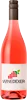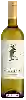
Domaine d'EscapatLe Capitaine Rosé
 Pink wine


In the mouth this pink wine is a with a nice freshness.
This wine generally goes well with vegetarian, appetizers and snacks or lean fish.
Taste structure of the Le Capitaine Rosé from the Domaine d'Escapat
Light | Bold | |
Dry | Sweet | |
Soft | Acidic |
In the mouth the Le Capitaine Rosé of Domaine d'Escapat in the region of Pays d'Oc is a with a nice freshness.
Food and wine pairings with Le Capitaine Rosé
Pairings that work perfectly with Le Capitaine Rosé



Original food and wine pairings with Le Capitaine Rosé


The Le Capitaine Rosé of Domaine d'Escapat matches generally quite well with dishes of pasta, vegetarian or appetizers and snacks such as recipes of pasta with chicken, light tuna-tomato quiche (without cream) or cake with olives and bacon.
Details and technical informations about Domaine d'Escapat's Le Capitaine Rosé.
Discover the grape variety: Divico
Interspecific cross between gamaret and bronner obtained in 1997 by Jean-Laurent Spring at the Agroscope Research Station in Pully (Switzerland). It should be noted that the divona is issued from the same cross.
Informations about the Domaine d'Escapat
The Domaine d'Escapat is one of of the world's great estates. It offers 25 wines for sale in the of Pays d'Oc to come and discover on site or to buy online.

The wine region of Pays d'Oc
Pays d'Oc is the PGI for red, white and rosé wines that are produced over a wide area of the southern coast of France. The PGI catchment area corresponds roughly to the Languedoc-roussillon">Languedoc-Roussillon wine region, one of the largest wine regions in France. The area covers all wines that are not produced under the strict laws that govern AOC-level appellations in the regions: among them, Corbières, Minervois and the Languedoc appellation itself. The Pays d'Oc PGI is arguably the most important in France, producing the majority of the country's PGI wines.
The word of the wine: Bacchus
Roman god of the vine and wine, often evoked to qualify everything that concerns the world of wine, and in particular its consumption. His name gave the adjective "bachique" which suggests the idea of celebration and conviviality.