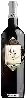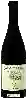
Domaines AstrucLot 19 Malbec
 Red wine


In the mouth this red wine is a powerful with a nice balance between acidity and tannins.
This wine generally goes well with beef, veal or pasta.
Taste structure of the Lot 19 Malbec from the Domaines Astruc
Light | Bold | |
Smooth | Tannic | |
Dry | Sweet | |
Soft | Acidic |
In the mouth the Lot 19 Malbec of Domaines Astruc in the region of Languedoc-Roussillon is a powerful with a nice balance between acidity and tannins.
Food and wine pairings with Lot 19 Malbec
Pairings that work perfectly with Lot 19 Malbec



Original food and wine pairings with Lot 19 Malbec
The Lot 19 Malbec of Domaines Astruc matches generally quite well with dishes of beef, pasta or veal such as recipes of fillet of beef with morels, express seafood spaghetti or beef mironton.
Details and technical informations about Domaines Astruc's Lot 19 Malbec.
Discover the grape variety: Malbec
Malbec, a high-yielding red grape variety, produces tannic and colourful wines. It is produced in different wine-growing regions and changes its name according to the grape variety. Called Auxerrois in Cahors, Malbec in Bordeaux, it is also known as Côt. 6,000 hectares of the Malbec grape are grown in France (in decline since the 1950s). Malbec is also very successful in Argentina. The country has become the world's leading producer of Malbec and offers wines with great potential.
Last vintages of this wine
The best vintages of Lot 19 Malbec from Domaines Astruc are 2017
Informations about the Domaines Astruc
The Domaines Astruc is one of of the world's great estates. It offers 53 wines for sale in the of Languedoc-Roussillon to come and discover on site or to buy online.

The wine region of Languedoc-Roussillon
Languedoc (formerly Coteaux du Languedoc) is a key appellation used in the Languedoc-Roussillon wine region of southern France. It covers Dry table wines of all three colors (red, white and rosé) from the entire region, but leaves Sweet and Sparkling wines to other more specialized appellations. About 75% of all Languedoc wines are red, with the remaining 25% split roughly down the middle between whites and rosés. The appellation covers most of the Languedoc region and almost a third of all the vineyards in France.
The word of the wine: Cooperative cellar
A collective production structure to which winegrowers belong in order to pool their grapes, transform them into wine and ensure its marketing.