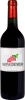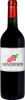
Winery Dolina - ДолинаДомашнее Полусладкое Красное (Homemade Semisweet Red )
 Red wine
This wine generally goes well with poultry, beef or game (deer, venison).
Food and wine pairings with Домашнее Полусладкое Красное (Homemade Semisweet Red )
Pairings that work perfectly with Домашнее Полусладкое Красное (Homemade Semisweet Red )



Original food and wine pairings with Домашнее Полусладкое Красное (Homemade Semisweet Red )


The Домашнее Полусладкое Красное (Homemade Semisweet Red ) of Winery Dolina - Долина matches generally quite well with dishes of beef, lamb or game (deer, venison) such as recipes of korean bibimbap, traditional tagine (morocco) or giant paella cooked on a wood fire.
Details and technical informations about Winery Dolina - Долина's Домашнее Полусладкое Красное (Homemade Semisweet Red ).
Discover the grape variety: Verdejo
An ancient grape variety that has been cultivated for a long time, mainly in the Rueda region of northwestern Spain. D.N.A. tests show that it is the result of a natural cross between Savagnin and Castellana Blanco. It should not be confused with the Verdelho, which is very well known in Portugal, and the Verdelho Branco, which is almost more widespread. The Verdejo is registered in the Official Catalogue of wine grape varieties list A. It can also be found in the United States (Virginia, California, etc.), Australia, Portugal, etc., but is practically unknown in France.
Informations about the Winery Dolina - Долина
The Winery Dolina - Долина is one of of the world's great estates. It offers 41 wines for sale in the of Кубань to come and discover on site or to buy online.

The wine region of Кубань
The wine region of Кубань of Russia. Wineries and vineyards like the Domaine Fanagoria (Фанагория) or the Domaine Fanagoria (Фанагория) produce mainly wines red, white and sparkling. The most planted grape varieties in the region of Кубань are Cabernet-Sauvignon, Chardonnay and Merlot, they are then used in wines in blends or as a single variety. On the nose of Кубань often reveals types of flavors of oaky, jam or bell pepper and sometimes also flavors of red fruit, blackberry or blueberry.
The word of the wine: N-D
Negociant-distributor. In Champagne, a company that buys finished wines in bottles that are dressed under a brand name with the merchant's own labels.