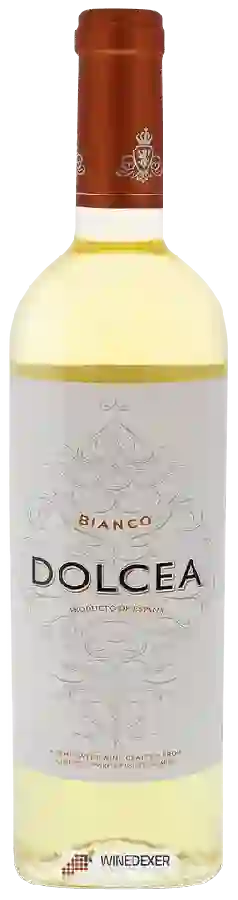
Winery DolceaSemi - Sweet Bianco
 Sweet wine


This wine is composed of 100% of the grape variety Albariño.
This wine generally goes well with pork, rich fish (salmon, tuna etc) or shellfish.

Wine flavors and olphactive analysis

On the nose the Semi - Sweet Bianco of Winery Dolcea in the region of Vinos de Pago often reveals types of flavors of tree fruit, citrus fruit.
Food and wine pairings with Semi - Sweet Bianco
Pairings that work perfectly with Semi - Sweet Bianco



Original food and wine pairings with Semi - Sweet Bianco
The Semi - Sweet Bianco of Winery Dolcea matches generally quite well with dishes of pork, rich fish (salmon, tuna etc) or shellfish such as recipes of green lentils strasbourg style, coulibiac of salmon or monkfish in foil.
Details and technical informations about Winery Dolcea's Semi - Sweet Bianco.
Discover the grape variety: Albarino
Lively, aromatic whites with sharp acidity and a sleek palate, with intense aromas of citrus, white peach, apricot, white flowers, passion fruit and characteristic Atlantic saline-iodine notes. Tonic and long finish. Absolute star of Rías Baixas DO in Galicia (Spain) and signature of Portuguese Vinho Verde as Alvarinho (Monção e Melgaço). Native Iberian variety, exported to Uruguay, California and New Zealand.
Last vintages of this wine
The best vintages of Semi - Sweet Bianco from Winery Dolcea are 0
Informations about the Winery Dolcea
The Winery Dolcea is one of of the world's greatest estates. It offers 2 wines for sale in the of Vinos de Pago to come and discover on site or to buy online.

The wine region of Vinos de Pago
Top of the Spanish quality pyramid (above DOCa and DO), reserved for 25 exceptional estates. Estate wines, grapes and vinification exclusively on site, 10 years of track record. All styles: concentrated, barrel-aged Cabernet, Syrah and Tempranillo reds (Dominio de Valdepusa, Arínzano, Pago de Otazu), maker's blends, a few ambitious whites. Great stylistic freedom.
The word of the wine: Stabilization
All the treatments intended for the good conservation of wines.





