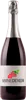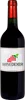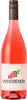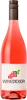
District WineryDry Rosé
 Pink wine



This wine generally goes well with beef and mature and hard cheese.

Wine flavors and olphactive analysis



On the nose the Dry Rosé of District Winery in the region of Washington often reveals types of flavors of microbio, tree fruit or citrus fruit and sometimes also flavors of red fruit, tropical fruit.
Food and wine pairings with Dry Rosé
Pairings that work perfectly with Dry Rosé


Original food and wine pairings with Dry Rosé
The Dry Rosé of District Winery matches generally quite well with dishes of beef or mature and hard cheese such as recipes of savoyard matafans or cream and ham ravioli.
Details and technical informations about District Winery's Dry Rosé.
Discover the grape variety: Catarratto
Structured and fresh dry whites with a pale golden colour, a full palate with preserved acidity and signature aromas of citrus (lemon, pomelo), almond, white flowers and mineral notes from Sicilian terroirs. Productive. A pillar of dry Sicilian whites (Alcamo DOC, Etna Bianco) and an essential component of traditional Marsala, thriving on the volcanic soils of the Trapani area. Autochthonous Sicilian white variety, one of the most planted in Sicily and Italy.
Last vintages of this wine
The best vintages of Dry Rosé from District Winery are 2017, 0
Informations about the District Winery
The District Winery is one of of the world's greatest estates. It offers 25 wines for sale in the of Washington to come and discover on site or to buy online.

The wine region of Washington
2nd US producer by volume, on the arid, sunny Columbia Valley. Star Cabernet Sauvignon (~60% of reds): powerful and structured with signature notes of blackcurrant, blackberry, cedar, dry herbs and graphite, firm tannins. Fleshy, peppery Syrah (black fruits, smoked meat). Round, fruity Merlot, historic mineral Riesling (dry and off-dry), precise Chardonnay and ample Sémillon.
The word of the wine: Grand Cru
In Burgundy, the fourth and final level of classification (above the regional, communal and premier cru appellations), designating the wines produced on delimited plots of land (the climats) whose name alone constitutes the appellation. The climats classified as Grand Cru are 32 in the Côte d'Or plus one in Chablis which is divided into 7 distinct climats. Representing barely 1.5% of the production, the Grand Crus are the aristocracy of Burgundy wines.