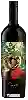
District WineryAlbariño
 White wine



This wine generally goes well with pork, rich fish (salmon, tuna etc) or shellfish.

Wine flavors and olphactive analysis


On the nose the Albariño of District Winery in the region of California often reveals types of flavors of earth, tree fruit or citrus fruit.
Food and wine pairings with Albariño
Pairings that work perfectly with Albariño



Original food and wine pairings with Albariño
The Albariño of District Winery matches generally quite well with dishes of pork, rich fish (salmon, tuna etc) or shellfish such as recipes of tripe in the style of caen, steamed salmon marinated in herbs or parsley knives.
Details and technical informations about District Winery's Albariño.
Discover the grape variety: Albarino
Lively, aromatic whites with sharp acidity and a sleek palate, with intense aromas of citrus, white peach, apricot, white flowers, passion fruit and characteristic Atlantic saline-iodine notes. Tonic and long finish. Absolute star of Rías Baixas DO in Galicia (Spain) and signature of Portuguese Vinho Verde as Alvarinho (Monção e Melgaço). Native Iberian variety, exported to Uruguay, California and New Zealand.
Last vintages of this wine
The best vintages of Albariño from District Winery are 0, 2018
Informations about the District Winery
The District Winery is one of of the world's great estates. It offers 25 wines for sale in the of California to come and discover on site or to buy online.

The wine region of California
Powerful, sunny reds: dense Napa Cabernet Sauvignon (blackcurrant, chocolate, tobacco, ample tannins), spicy, jammy Zinfandel from the Sierra Foothills, silky red-fruited Pinot Noir on the cool coast (Sonoma, Russian River, Central Coast). Opulent, buttery Chardonnay, notes of yellow fruit and vanilla. Varied climate, from the hot interior to the Pacific-cooled coast. 80% of US production, 139 AVAs including Napa (1st AVA, 1981).
The word of the wine: Bleeding
Old practice for red wines. As soon as the vat is filled with grapes, the tap is opened. A sweet but clear juice escapes from the vat (it can also be used to make rosé). The colour and density of the juice is enhanced, but it should not be overdone. Rarely more than 10% of the volume of a vat, otherwise you risk losing fruit and bringing in bitterness.