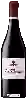
Winery DionisosEgo Primus Natural
 Red wine



In the mouth this red wine is a powerful with a lot of tannins present in the mouth.
This wine generally goes well with poultry, beef or veal.

Taste structure of the Ego Primus Natural from the Winery Dionisos
Light | Bold | |
Smooth | Tannic | |
Dry | Sweet | |
Soft | Acidic |
In the mouth the Ego Primus Natural of Winery Dionisos in the region of Castille is a powerful with a lot of tannins present in the mouth.
Food and wine pairings with Ego Primus Natural
Pairings that work perfectly with Ego Primus Natural



Original food and wine pairings with Ego Primus Natural

The Ego Primus Natural of Winery Dionisos matches generally quite well with dishes of beef, lamb or veal such as recipes of chinese noodles with beef, seven o'clock leg of lamb or veal chop normandy style.
Details and technical informations about Winery Dionisos's Ego Primus Natural.
Discover the grape variety: Tempranillo
Elegant, structured reds with aromas of strawberry, cherry, plum, leather, blond tobacco and pronounced vanilla from long oak ageing. Ranges from Joven to Crianza, Reserva and Gran Reserva. Star of Rioja DOCa, Ribera del Duero DO and Toro DO, also shines in the Douro as Tinta Roriz/Aragonez. One of the world's most planted Spanish varieties.
Last vintages of this wine
The best vintages of Ego Primus Natural from Winery Dionisos are 0
Informations about the Winery Dionisos
The Winery Dionisos is one of of the world's greatest estates. It offers 8 wines for sale in the of Castille to come and discover on site or to buy online.

The wine region of Castille
Cradle of great Castilian reds, high-altitude plateaus (450-1000 m) along the Duero. Tempranillo king (aka Tinta de Toro, Tinto Fino): powerful, concentrated, structured reds with notes of black cherry, plum, leather, tobacco and spice, firm tannins from altitude and cool nights. Stars: Ribera del Duero (Vega Sicilia, Pingus), fleshy Toro, Bierzo (floral, mineral Mencía). Lively, herbaceous Verdejo whites from Rueda.
The word of the wine: Ventilation
Aeration is the process of decanting the wine to oxygenate it and thus promote the expression of the aromatic range and the harmony of the flavours.