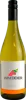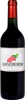
Winery DianettiLuciano Campo Vallerosa
 White wine
In the mouth this white wine is a with a nice freshness.
This wine generally goes well with vegetarian, appetizers and snacks or lean fish.

Taste structure of the Luciano Campo Vallerosa from the Winery Dianetti
Light | Bold | |
Dry | Sweet | |
Soft | Acidic |
In the mouth the Luciano Campo Vallerosa of Winery Dianetti in the region of Marche is a with a nice freshness.
Food and wine pairings with Luciano Campo Vallerosa
Pairings that work perfectly with Luciano Campo Vallerosa



Original food and wine pairings with Luciano Campo Vallerosa


The Luciano Campo Vallerosa of Winery Dianetti matches generally quite well with dishes of pasta, vegetarian or appetizers and snacks such as recipes of pasta with asparagus and chicken, quiche lorraine or aperitif skewers edam/basilic/dry apricot.
Details and technical informations about Winery Dianetti's Luciano Campo Vallerosa.
Discover the grape variety: Pecorino
Structured, aromatic whites with firm acidity and an ample mouth, featuring aromas of citrus, yellow peach, aromatic herbs (sage, thyme), almond, white flowers and saline mineral notes. Fine length and ageing capacity. Star of Offida Pecorino DOCG in the Marche and Abruzzo Pecorino DOC, driving force behind the revival of great modern Adriatic whites. Native Italian grape rediscovered in the 1980s after near-disappearance.
Informations about the Winery Dianetti
The Winery Dianetti is one of of the world's greatest estates. It offers 10 wines for sale in the of Marche to come and discover on site or to buy online.

The wine region of Marche
Italian star of Verdicchio: exceptional age-worthy whites, straight and mineral with signature notes of green almond, lemon, green apple, dry herbs and a slightly bitter finish. Two DOCGs: Castelli di Jesi (coastal, airy) and Matelica (inland, more concentrated). Mediterranean reds: fleshy Montepulciano in Rosso Conero near Ancona, supple Sangiovese. Also fresh Pecorino and Passerina.
The word of the wine: Film maceration
A technique that consists of leaving the grapes to macerate in the open air at a low temperature before fermentation, thus enhancing the aromatic expression of the wine.