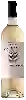
Château des Deux LionsLoupiac
 Sweet wine
This wine generally goes well with vegetarian, poultry or rich fish (salmon, tuna etc).

Food and wine pairings with Loupiac
Pairings that work perfectly with Loupiac



Original food and wine pairings with Loupiac


The Loupiac of Château des Deux Lions matches generally quite well with dishes of rich fish (salmon, tuna etc), shellfish or sweet desserts such as recipes of toasted bagel with smoked salmon, flambéed prawns or apple cake.
Details and technical informations about Château des Deux Lions's Loupiac.
Discover the grape variety: Vien de Nus
Soft, fruity reds with a moderate ruby hue, smooth tannins and an airy palate with fresh acidity; signature aromas of red fruits (cherry, raspberry), gentle spices and alpine floral notes. Elegant high-altitude style. Star of the Valle d'Aosta Nus DOC, a typical expression of the Aosta Valley terroir. Native Italian black grape, grown almost exclusively around the village of Nus.
Informations about the Château des Deux Lions
The Château des Deux Lions is one of of the world's great estates. It offers 6 wines for sale in the of Entre-deux-Mers to come and discover on site or to buy online.

The wine region of Entre-deux-Mers
Fresh, aromatic dry whites between the Dordogne and Garonne, the accessible face of Bordeaux. Sauvignon Blanc leads with signature notes of grapefruit, boxwood, white flowers and a mineral touch, taut and thirst-quenching palate. Sémillon adds roundness and white peach, Muscadelle musky-floral, Sauvignon Gris ampleness. Complementary Merlot reds (cherry, ripe plum, supple tannins).
The wine region of Bordeaux
World-renowned age-worthy reds, led by round Merlot (plum, black fruit) or firm Cabernet Sauvignon (blackcurrant, cedar, graphite), blended with Cabernet Franc and Petit Verdot for tannic structure. Structured Médoc and Graves, velvety Saint-Émilion and Pomerol. Also crisp dry whites (Sauvignon/Sémillon) and opulent sweet Sauternes with honey and candied fruit. A 110,000 ha Gironde vineyard, 65 appellations, cradle of the 1855 classified growths.
The word of the wine: Slim
A thin wine, lacking flesh and body.