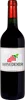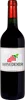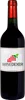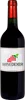
Winery Dessilani Luigi e FiglioGattinara Riserva
 Red wine


This wine generally goes well with beef, veal or lamb.

Wine flavors and olphactive analysis



On the nose the Gattinara Riserva of Winery Dessilani Luigi e Figlio in the region of Piedmont often reveals types of flavors of non oak, earth or oak and sometimes also flavors of spices, red fruit or black fruit.
Food and wine pairings with Gattinara Riserva
Pairings that work perfectly with Gattinara Riserva



Original food and wine pairings with Gattinara Riserva


The Gattinara Riserva of Winery Dessilani Luigi e Figlio matches generally quite well with dishes of beef, lamb or veal such as recipes of harira de mamie (moroccan soup), lamb with masalé sauce and rice or veal chop normandy style.
Discover the grape variety: Nebbiolo
Austere, noble reds, pale in colour and quick to turn garnet, with powerful tannins and high acidity, showing aromas of sour cherry, faded rose, tar, white truffle, leather and balsamic notes with age. Outstanding ageing potential. Absolute star of Piedmont with Barolo DOCG and Barbaresco DOCG, also in Roero, Gattinara, Ghemme and Valtellina (Chiavennasca). A late-ripening Italian variety among the world's greatest.
Last vintages of this wine
The best vintages of Gattinara Riserva from Winery Dessilani Luigi e Figlio are 0
Informations about the Winery Dessilani Luigi e Figlio
The Winery Dessilani Luigi e Figlio is one of of the world's great estates. It offers 27 wines for sale in the of Gattinara to come and discover on site or to buy online.

The wine region of Gattinara
Upper Piedmont DOCG (right bank of Sesia at foot of Monte Rosa), mineral volcanic soils (porphyry, granite, iron), alpine windy climate with large thermal swings. Nebbiolo (locally Spanna) signature as red king (≥90%, up to 100% in 4-year Riserva): more mineral, fine and acidic than Barolo, with red cherry, faded rose, tar, undergrowth, iron and smoky hint, chiselled tannins and great ageing potential. Vespolina and Uva Rara in blend. Austere gem of northern Italy.
The wine region of Piedmont
Kingdom of Nebbiolo: Barolo and Barbaresco DOCG, long-ageing reds with firm tannins and lively acidity, complex aromas of withered rose, sour cherry, tar, truffle and undergrowth. More accessible, tangy Barbera on red fruit, supple, crisp Dolcetto. Sweet, floral sparkling Moscato d'Asti, mineral, lemony Gavi (Cortese) white, round, almondy Arneis from Roero. 50,000 ha across the Langhe, Roero and Monferrato, UNESCO.
The word of the wine: Muscat blanc à petits grains
A white grape variety cultivated since antiquity on the shores of the Mediterranean, it is considered the noblest of the muscats. It is mainly used to make sweet wines, often from mutage. In France, it is the sole variety used in many natural sweet wines: muscat-de-frontignan, muscat-de-mireval, muscat-de-lunel, muscat-de-saint-jean-de-minervois, muscat-de-beaumes-de-venise, muscat-du-cap-corse. Combined with Muscat d'Alexandrie, it gives Muscat-de-Rivesaltes. It is also used to make sparkling white wines (clairette-de-die; moscato d'asti and asti spumante in Italy) and dry wines (alsace-muscat). Powerfully aromatic and complex, its wines evoke fresh grapes, roses, exotic fruits, citrus fruits and spices.