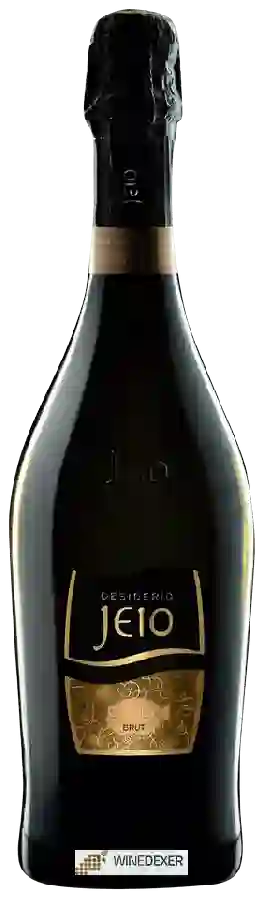
Winery JeioCuvée Brut
 Sparkling wine



This wine generally goes well with appetizers and snacks, rich fish (salmon, tuna etc) or shellfish.
The Cuvée Brut of the Winery Jeio is in the top 90 of wines of Veneto.

Wine flavors and olphactive analysis



On the nose the Cuvée Brut of Winery Jeio in the region of Veneto often reveals types of flavors of earth, microbio or tree fruit and sometimes also flavors of citrus fruit, red fruit.
Food and wine pairings with Cuvée Brut
Pairings that work perfectly with Cuvée Brut



Original food and wine pairings with Cuvée Brut


The Cuvée Brut of Winery Jeio matches generally quite well with dishes of rich fish (salmon, tuna etc), shellfish or mature and hard cheese such as recipes of pasta with tuna and tomato, shrimp and cherry tomato quiche or irish tartiflette.
Details and technical informations about Winery Jeio's Cuvée Brut.
Discover the grape variety: Drnekusa
Light, fruity reds with a clear ruby hue, smooth tannins and an airy palate with fresh acidity; signature aromas of red fruits (cherry, raspberry), Mediterranean herbs (thyme, rosemary) and Dalmatian garrigue notes. Characterful island style, best drunk young. Preserved for its heritage value, it reflects the identity of Hvar viticulture. Native Croatian black grape, grown almost exclusively on the island of Hvar, Dalmatia.
Last vintages of this wine
The best vintages of Cuvée Brut from Winery Jeio are 2008, 0, 2014, 2013
Informations about the Winery Jeio
The Winery Jeio is one of of the world's greatest estates. It offers 17 wines for sale in the of Veneto to come and discover on site or to buy online.

The wine region of Veneto
World star of Prosecco: fresh, light Glera sparklers with notes of pear, green apple and white flowers, fruity, convivial bubbles. Veronese reds from Corvina and Rondinella: light, crisp Bardolino, fruity Valpolicella, opulent, concentrated Amarone DOCG (black cherry, chocolate, raisin) from dried grapes. Mineral, almondy Soave (Garganega) whites, fresh Pinot Grigio. 97,500 ha, Italy's largest production.
The word of the wine: Passerillage
Concentration of the grape by drying out, under the influence of wind or sun, as opposed to botrytisation, which is the concentration obtained by the development of the "noble rot" for which Botrytis cinerea is responsible. The word is mainly used for sweet wines.