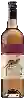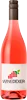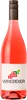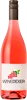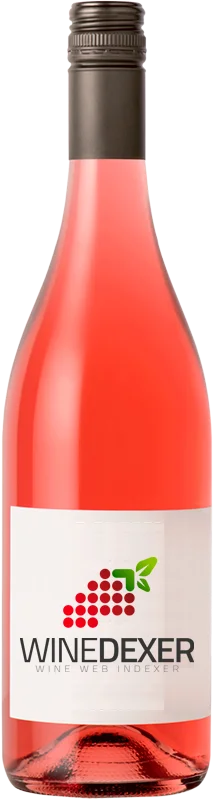
Winery De BortoliWillowbank Rosé
 Pink wine
This wine generally goes well with pork, poultry or veal.

Food and wine pairings with Willowbank Rosé
Pairings that work perfectly with Willowbank Rosé



Original food and wine pairings with Willowbank Rosé


The Willowbank Rosé of Winery De Bortoli matches generally quite well with dishes of shellfish, appetizers and snacks or mild and soft cheese such as recipes of seafood lasagna, stuffed sea almonds with cream cheese or piccata with cheese.
Details and technical informations about Winery De Bortoli's Willowbank Rosé.
Discover the grape variety: Camaralet de Lasseube
Aromatic, structured dry whites with a pale golden robe, an ample palate and preserved acidity, showing rare signature spicy aromas (fennel, pepper, cinnamon, anise), white flowers and yellow fruits. A unique profile with a very strong personality. Very rare (less than 1 ha cultivated), preserved by a few Béarnais winegrowers and blended with Lauzet and Gros Manseng in heritage cuvées. An indigenous French variety from the Béarn (Pyrénées-Atlantiques).
Informations about the Winery De Bortoli
The Winery De Bortoli is one of wineries to follow in Australie du Sud-Est.. It offers 535 wines for sale in the of Australie du Sud-Est to come and discover on site or to buy online.

The wine region of Australie du Sud-Est
Macro blending zone covering the southern half of the country (NSW, Victoria, Tasmania, parts of SA and QLD). Accessible, vintage-consistent brand wines: supple fruity Shiraz (blackberry, sweet spice), round Cabernet Sauvignon, gourmet Merlot, opulent Chardonnay (yellow fruit, vanilla), lively Sauvignon Blanc, lemony Sémillon. Status created for export and major international brands. From aperitif to everyday, an affordable, fruity expression of the Australian style.
The word of the wine: Sulphur
An antiseptic and antioxidant substance known since antiquity, probably already used by the Romans. But it was only in modern times that its use was rediscovered. It will allow a better conservation of the wine and thus favour its export. Sulphur also gave the 18th century winegrower the possibility of extending the maceration period without fearing that the wine would turn sour and thus go from dark rosé wines to the red wines of today. Excessive sulphur, on the other hand, kills happiness, paralysing the aromas and causing headaches.