The Domaine David-Beaupère of Juliénas of Beaujolais
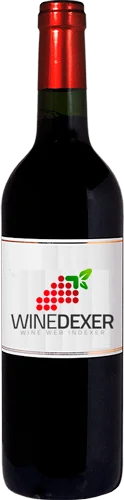
The Domaine David-Beaupère is one of the largest wineries in the world. It offers 11 wines for sale in of Juliénas to come and discover on site or to buy online.
Looking for the best Domaine David-Beaupère wines in Juliénas among all the wines in the region? Check out our tops of the best red, white or effervescent Domaine David-Beaupère wines. Also find some food and wine pairings that may be suitable with the wines from this area. Learn more about the region and the Domaine David-Beaupère wines with technical and enological descriptions.
How Domaine David-Beaupère wines pair with each other generally quite well with dishes of pasta, veal or pork such as recipes of pasta à la forestière (chanterelles), alsatian fondue or spaghetti carbonara.
On the nose the red wine of Domaine David-Beaupère. often reveals types of flavors of strawberries, raspberry or earth and sometimes also flavors of red fruit, cherry or minerality. In the mouth the red wine of Domaine David-Beaupère. is a with a nice freshness.
Juliénas is an appellation covering wines produced from vineyards in the northern Beaujolais region of eastern France. The red wines of Juliénas, made from Gamay grapes, often have Spicy, Floral">floral and red fruit characters. They tend to be heavier than those of the neighboring appellation of Saint-Amour and some of its southern counterparts. Despite this, Julienas wines tend to have a shorter shelf life, and are best drunk no later than two or three years after the Vintage.
As with most Beaujolais appellation laws, a small amount of white wine is allowed in the Julienas blend. The Village of Juliénas is named after the Roman leader Julius Caesar. Vineyards have been established here for over 2000 years. In 2019, the appellation has 568 hectares of vines.
Planning a wine route in the of Juliénas? Here are the wineries to visit and the winemakers to meet during your trip in search of wines similar to Domaine David-Beaupère.
Intraspecific cross between moscatel rosado and (cardinal x sultanine) obtained in San Rafael, Argentina at the Inta station by Angelo Gargiulo and registered in 2010 in the Official Catalogue of table grape varieties list A. It can be found in Italy and Spain, but is rarely grown in France.