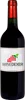
Winery Daniel BessièreChâteau Cazalis de Fondouce Coteaux du Languedoc
 Red wine
This wine generally goes well with beef, veal or pasta.
Food and wine pairings with Château Cazalis de Fondouce Coteaux du Languedoc
Pairings that work perfectly with Château Cazalis de Fondouce Coteaux du Languedoc



Original food and wine pairings with Château Cazalis de Fondouce Coteaux du Languedoc
The Château Cazalis de Fondouce Coteaux du Languedoc of Winery Daniel Bessière matches generally quite well with dishes of beef, pasta or veal such as recipes of bernard's potée, spaghetti all 'amatriciana or calf's head with sauce ravigote.
Details and technical informations about Winery Daniel Bessière's Château Cazalis de Fondouce Coteaux du Languedoc.
Discover the grape variety: Freisa
Most certainly from the Italian Piedmont. It is also found in Argentina. We have noted that this variety has a great resemblance with the nebbiolo, also from the Italian Piedmont. According to genetic analyses published in Switzerland, Freisa is a descendant of Viognier and a half-sister of Rèze.
Informations about the Winery Daniel Bessière
The Winery Daniel Bessière is one of wineries to follow in Languedoc.. It offers 53 wines for sale in the of Languedoc to come and discover on site or to buy online.

The wine region of Languedoc
Languedoc (formerly Coteaux du Languedoc) is a key appellation used in the Languedoc-Roussillon wine region of southern France. It covers Dry table wines of all three colors (red, white and rosé) from the entire region, but leaves Sweet and Sparkling wines to other more specialized appellations. About 75% of all Languedoc wines are red, with the remaining 25% split roughly down the middle between whites and rosés. The appellation covers most of the Languedoc region and almost a third of all the vineyards in France.
The wine region of Languedoc-Roussillon
Languedoc (formerly Coteaux du Languedoc) is a key appellation used in the Languedoc-Roussillon wine region of southern France. It covers Dry table wines of all three colors (red, white and rosé) from the entire region, but leaves Sweet and Sparkling wines to other more specialized appellations. About 75% of all Languedoc wines are red, with the remaining 25% split roughly down the middle between whites and rosés. The appellation covers most of the Languedoc region and almost a third of all the vineyards in France.
The word of the wine: Rafle (taste of)
A taste considered a defect, characterized by an unpleasant astringency and bitterness, brought by the stalk during the vinification process. In order to avoid it, destemming before vinification is a common practice.