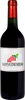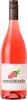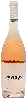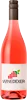
Winery DálmataTempranillo Rosé
 Pink wine


This wine generally goes well with pork, beef or game (deer, venison).

Food and wine pairings with Tempranillo Rosé
Pairings that work perfectly with Tempranillo Rosé



Original food and wine pairings with Tempranillo Rosé


The Tempranillo Rosé of Winery Dálmata matches generally quite well with dishes of beef, lamb or pork such as recipes of chickpeas spanish style, eggplant, lamb and goat lasagna or ham and cheese macaroni gratin.
Details and technical informations about Winery Dálmata's Tempranillo Rosé.
Discover the grape variety: Tempranillo
Elegant, structured reds with aromas of strawberry, cherry, plum, leather, blond tobacco and pronounced vanilla from long oak ageing. Ranges from Joven to Crianza, Reserva and Gran Reserva. Star of Rioja DOCa, Ribera del Duero DO and Toro DO, also shines in the Douro as Tinta Roriz/Aragonez. One of the world's most planted Spanish varieties.
Last vintages of this wine

The best vintages of Tempranillo Rosé from Winery Dálmata are 2018, 0
Informations about the Winery Dálmata
The Winery Dálmata is one of of the world's greatest estates. It offers 3 wines for sale in the of La Mancha to come and discover on site or to buy online.

The wine region of La Mancha
World's largest contiguous wine area (190,000 ha), south of Madrid. Accessible, sunny wines: Tempranillo (here Cencibel) in full quality rise, supple reds with notes of ripe cherry, plum and spices; spicy Syrah, firm Cabernet Sauvignon, round Merlot. Light neutral Airén whites (75% of the vineyard), fresh Macabeo (Viura). Dry, hot continental climate, limestone and clay soils.
The wine region of Castille
Cradle of great Castilian reds, high-altitude plateaus (450-1000 m) along the Duero. Tempranillo king (aka Tinta de Toro, Tinto Fino): powerful, concentrated, structured reds with notes of black cherry, plum, leather, tobacco and spice, firm tannins from altitude and cool nights. Stars: Ribera del Duero (Vega Sicilia, Pingus), fleshy Toro, Bierzo (floral, mineral Mencía). Lively, herbaceous Verdejo whites from Rueda.
The word of the wine: Phylloxera
Aphid that came from America and ravaged European vineyards at the end of the 19th century. It lives on the roots of the vine, from which it pumps the sap. The only vines capable of resisting it had to be imported from the United States, and then grafted onto their root system the wood of traditional French grape varieties. Today, grafted vines are always planted.