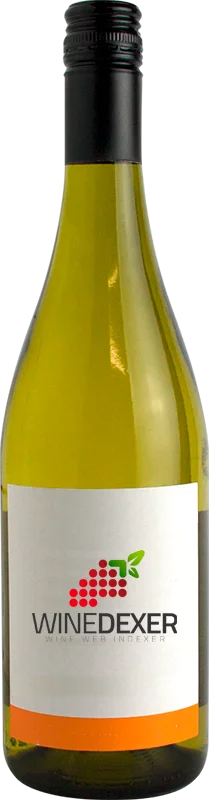
Winery Cantine MiniD'Animo Vermentino
 White wine
In the mouth this white wine is a powerful with a nice freshness.
This wine generally goes well with vegetarian, appetizers and snacks or lean fish.

Taste structure of the D'Animo Vermentino from the Winery Cantine Mini
Light | Bold | |
Dry | Sweet | |
Soft | Acidic |
In the mouth the D'Animo Vermentino of Winery Cantine Mini in the region of Tuscany is a powerful with a nice freshness.
Food and wine pairings with D'Animo Vermentino
Pairings that work perfectly with D'Animo Vermentino



Original food and wine pairings with D'Animo Vermentino


The D'Animo Vermentino of Winery Cantine Mini matches generally quite well with dishes of pasta, vegetarian or appetizers and snacks such as recipes of quiche with tartiflette, zucchini and goat cheese quiche or hummus (chickpea puree).
Details and technical informations about Winery Cantine Mini's D'Animo Vermentino.
Discover the grape variety: Vermentino
Nervy, saline whites with cutting acidity and enveloping richness, showing aromas of grapefruit, lime, pear, white flowers, fresh almond, fennel and marine iodine notes. Slightly bitter finish. Star of Sardinia (Vermentino di Gallura DOCG), Liguria, coastal Tuscany (Bolgheri) and Corsica. Also in Provence and Languedoc-Roussillon as Rolle. An autochthonous Mediterranean variety.
Informations about the Winery Cantine Mini
The Winery Cantine Mini is one of of the world's greatest estates. It offers 6 wines for sale in the of Tuscany to come and discover on site or to buy online.

The wine region of Tuscany
Kingdom of Sangiovese: upright reds with cherry, plum, dried herbs and leather, lively acidity and firm tannins. Fleshy, food-friendly Chianti Classico DOCG, deep long-ageing Brunello di Montalcino (spice, tobacco, ripe black fruit), elegant Vino Nobile di Montepulciano. On the coast, Bolgheri crafts the opulent Cabernet- and Merlot-based 'Super Tuscans'. Some fresh white Vernaccia.
The word of the wine: Alcoholic fermentation
Transformation of sugars into alcohol under the effect of yeast. These yeasts exist in their natural state in the vineyards and in the cellars. Artificial seeding with selected yeasts is however very often practiced.