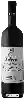
Winery Cuneaz NadirMagdala
 Red wine


In the mouth this red wine is a powerful.
This wine generally goes well with beef, game (deer, venison) or lamb.

Taste structure of the Magdala from the Winery Cuneaz Nadir
Light | Bold | |
Smooth | Tannic | |
Dry | Sweet | |
Soft | Acidic |
In the mouth the Magdala of Winery Cuneaz Nadir in the region of Valle d'Aosta is a powerful.
Food and wine pairings with Magdala
Pairings that work perfectly with Magdala



Original food and wine pairings with Magdala

The Magdala of Winery Cuneaz Nadir matches generally quite well with dishes of beef, pasta or lamb such as recipes of enchiladas franchouillards, farfalle with gorgonzola or lamb chops à la champvallon.
Details and technical informations about Winery Cuneaz Nadir's Magdala.
Discover the grape variety: Nebbiolo
Austere, noble reds, pale in colour and quick to turn garnet, with powerful tannins and high acidity, showing aromas of sour cherry, faded rose, tar, white truffle, leather and balsamic notes with age. Outstanding ageing potential. Absolute star of Piedmont with Barolo DOCG and Barbaresco DOCG, also in Roero, Gattinara, Ghemme and Valtellina (Chiavennasca). A late-ripening Italian variety among the world's greatest.
Last vintages of this wine
The best vintages of Magdala from Winery Cuneaz Nadir are 0
Informations about the Winery Cuneaz Nadir
The Winery Cuneaz Nadir is one of of the world's great estates. It offers 11 wines for sale in the of Valle d'Aosta to come and discover on site or to buy online.

The wine region of Valle d'Aosta
Italy's smallest vineyard (~500 ha) between Mont Blanc and Canavese, among Europe's highest vines (up to 1,200 m at Morgex). Native Petit Rouge signature: fine, fresh reds with signature notes of raspberry, violet, alpine herbs, sweet spices and a mineral touch, silky tannins. Local Cornalin, Fumin and Mayolet complete. Firm Nebbiolo (Picotendro), light Gamay.
The word of the wine: Foaming
Name given to the second alcoholic fermentation that sparkling wines undergo. It gives rise to a release of carbon dioxide in the bottle.