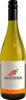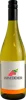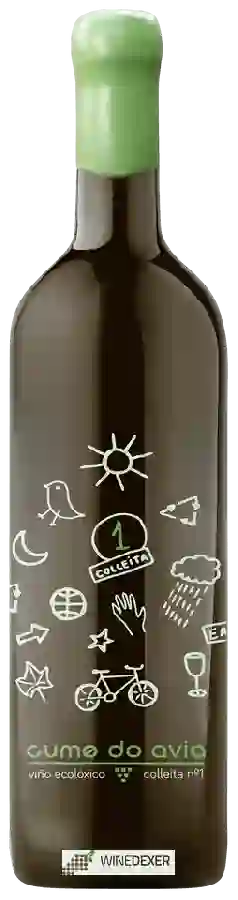
Winery Cume do AviaColleita No 3 Bianco
 White wine



This wine is a blend of 3 varietals which are the Albarino, the Caino blanco and the Loureiro.
This wine generally goes well with pork, rich fish (salmon, tuna etc) or shellfish.



Food and wine pairings with Colleita No 3 Bianco
Pairings that work perfectly with Colleita No 3 Bianco



Original food and wine pairings with Colleita No 3 Bianco
The Colleita No 3 Bianco of Winery Cume do Avia matches generally quite well with dishes of pork, rich fish (salmon, tuna etc) or shellfish such as recipes of cassoulet of yesteryear, sophie's tuna cake or squid with garlic and parsley.
Details and technical informations about Winery Cume do Avia's Colleita No 3 Bianco.
Discover the grape variety: Albarino
Lively, aromatic whites with sharp acidity and a sleek palate, with intense aromas of citrus, white peach, apricot, white flowers, passion fruit and characteristic Atlantic saline-iodine notes. Tonic and long finish. Absolute star of Rías Baixas DO in Galicia (Spain) and signature of Portuguese Vinho Verde as Alvarinho (Monção e Melgaço). Native Iberian variety, exported to Uruguay, California and New Zealand.
Last vintages of this wine
The best vintages of Colleita No 3 Bianco from Winery Cume do Avia are 2015, 0, 2014
Informations about the Winery Cume do Avia
The Winery Cume do Avia is one of of the world's greatest estates. It offers 19 wines for sale in the of Galice to come and discover on site or to buy online.

The wine region of Galice
Oceanic northwest Spain, cradle of the great Iberian whites. Signature Albarino of Rias Baixas: lively, saline whites with signature notes of citrus, white peach, white flowers, fresh almond and iodine minerality, a taut palate — a perfect match for Atlantic seafood. Also premium Godello (pear, citrus, butter), aromatic Treixadura. Supple Mencia reds (raspberry, herbs, graphite).
The word of the wine: Provignage
A vine reproduction technique that consists of burying a vine shoot that takes root and reproduces a plant with the same characteristics as the vine to which it is attached.