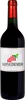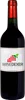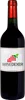
Winery Crama RasovaLa Plage Roşu
 Red wine



This wine is a blend of 2 varietals which are the Feteasca neagra and the Pinot noir.
This wine generally goes well with pork, poultry or beef.
The La Plage Roşu of the Winery Crama Rasova is in the top 50 of wines of Murfatlar.
Wine flavors and olphactive analysis



On the nose the La Plage Roşu of Winery Crama Rasova in the region of Murfatlar often reveals types of flavors of non oak, oak or spices and sometimes also flavors of red fruit, black fruit.
Food and wine pairings with La Plage Roşu
Pairings that work perfectly with La Plage Roşu



Original food and wine pairings with La Plage Roşu



The La Plage Roşu of Winery Crama Rasova matches generally quite well with dishes of beef, lamb or veal such as recipes of feijoada ( portuguese cassoulet ), leg of lamb in a casserole or wiener schnitzel or viennese schnitzel.
Details and technical informations about Winery Crama Rasova's La Plage Roşu.
Discover the grape variety: Feteasca neagra
Structured and powerful reds with a deep dark ruby colour, firm tannins and moderate acidity, on intense aromas of blackcurrant, blackberry, black plum, candied cherry, sweet spices and balsamic leather notes. Ample palate, fine ageing potential with oak maturation. A pillar of Romania's great reds (Dealu Mare, Dragășani) and Moldova, the quality locomotive of Carpathian wine revival. Ancient native Romanian variety.
Last vintages of this wine
The best vintages of La Plage Roşu from Winery Crama Rasova are 2018, 2016, 0
Informations about the Winery Crama Rasova
The Winery Crama Rasova is one of of the world's greatest estates. It offers 26 wines for sale in the of Murfatlar to come and discover on site or to buy online.

The wine region of Murfatlar
Wine region of Romanian Dobruja on the shores of the Black Sea, dry and sunny microclimate. Specialty sweet flagship wines. Late-harvest Chardonnay flagship star white: ample and candied with signature notes of apricot, candied yellow fruits, honey, dried fruits and spice touch, round and long palate — fine sugar-acidity balance. Off-dry Pinot Gris, floral and sweet Muscat Ottonel.
The word of the wine: Overmaturation
When the grapes reach maturity, the skin becomes permeable and progressively loses water, which causes a concentration phenomenon inside the berry. This is called over-ripening or passerillage.