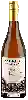
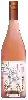
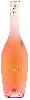
Winery Coyote CanyonLife Is Rosé Barbera
 Pink wine


This wine generally goes well with pork, poultry or mild and soft cheese.
The Life Is Rosé Barbera of the Winery Coyote Canyon is in the top 70 of wines of Horse Heaven Hills.
Wine flavors and olphactive analysis



On the nose the Life Is Rosé Barbera of Winery Coyote Canyon in the region of Washington often reveals types of flavors of vegetal, oak or red fruit.
Food and wine pairings with Life Is Rosé Barbera
Pairings that work perfectly with Life Is Rosé Barbera



Original food and wine pairings with Life Is Rosé Barbera

The Life Is Rosé Barbera of Winery Coyote Canyon matches generally quite well with dishes of pork, spicy food or poultry such as recipes of stuffed peppers, scallops with cream or couscous chicken and merguez.
Details and technical informations about Winery Coyote Canyon's Life Is Rosé Barbera.
Discover the grape variety: Camaralet de Lasseube
The camaralet of Lasseube has its origins in the Pyrenees, in Bearn. It can be called gentil aromatique, petit camarau or moustardet. Its bunches are of medium size but its berries are small. The berries turn golden yellow when they reach maturity. This grape variety has two approved clones since 1998: 1023 and 1024. It occupies a little less than one hectare in France and is often vinified with other grape varieties such as lauzet and gros manseng. Camaralet de Lasseube is matured about twenty days after Chasselas. Its more or less compact and winged bunches are not affected by grey rot until after maturity. Its female flowers often expose this grape variety to significant risks of coulure, which makes it possible to obtain an alcoholic wine that is full-bodied but fine. Depending on the type, the aromas of the camaralet de Lasseube may recall fennel, pepper or cinnamon.
Last vintages of this wine
The best vintages of Life Is Rosé Barbera from Winery Coyote Canyon are 0
Informations about the Winery Coyote Canyon
The Winery Coyote Canyon is one of of the world's greatest estates. It offers 26 wines for sale in the of Horse Heaven Hills to come and discover on site or to buy online.

The wine region of Horse Heaven Hills
The wine region of Horse Heaven Hills is located in the region of Columbia Valley of Washington of United States. Wineries and vineyards like the Domaine Quilceda Creek or the Domaine Passing Time produce mainly wines red, white and pink. The most planted grape varieties in the region of Horse Heaven Hills are Cabernet-Sauvignon, Merlot and Malbec, they are then used in wines in blends or as a single variety. On the nose of Horse Heaven Hills often reveals types of flavors of grapefruit, butter or dried fruit and sometimes also flavors of red fruit, black fruit or chard.
The wine region of Washington
Washington State is located in the Pacific Northwest of the United States, immediately north of Oregon. Although the history of the wine industry is relatively Short, Washington's 900-plus wineries and 350-plus independent winemakers, with more than 50,000 acres of vineyards, now produce more wine than any other state except California. Almost all wine production is in the hot, desert-like eastern Part of Washington, although there is some Grape growing and an AVA (Puget Sound) in the cooler, wetter west. White Chardonnay and Riesling grapes, and red Merlot, Cabernet Sauvignon and Syrah grapes are the main varieties grown in Washington, but the region produces quality wines from nearly 70 different grape varieties.
The word of the wine: Performance
Quantity of grapes harvested per hectare. In AOC, the average yield is limited on the proposal of the appellation syndicate, validated by the Inao. The use of high-performance plant material (especially clones) and better control of vine diseases have increased yields. This is not without consequences on the quality of the wines (dilution) and on the state of the market (too much wine). We must not over-simplify: low yields are not synonymous with quality, and it is often in years with generous harvests that we find the greatest vintages (1982 and 1986 in Bordeaux, 1996 in Champagne, 1990 and 2005 in Burgundy...).