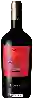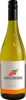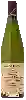
Winery Corte GionaSoave
 White wine



In the mouth this white wine is a with a nice freshness.
This wine generally goes well with vegetarian, appetizers and snacks or lean fish.

Taste structure of the Soave from the Winery Corte Giona
Light | Bold | |
Dry | Sweet | |
Soft | Acidic |
In the mouth the Soave of Winery Corte Giona in the region of Veneto is a with a nice freshness.
Food and wine pairings with Soave
Pairings that work perfectly with Soave



Original food and wine pairings with Soave

The Soave of Winery Corte Giona matches generally quite well with dishes of shellfish, vegetarian or appetizers and snacks such as recipes of lamb curry indian style, goat cheese and bacon quiche or cheese gougères.
Details and technical informations about Winery Corte Giona's Soave.
Discover the grape variety: Iona
Simple, aromatic whites with a pale golden robe, a supple palate with preserved acidity. Characteristic foxy aromas of Vitis labrusca (wild strawberry, wild raspberry). Early ripening, cold-hardy. Grown in the north-eastern United States and Canada (Ontario) for simple wines, local sparkling wines and fresh consumption. An American white hybrid derived from Vitis labrusca, discovered around 1855 in New York State.
Last vintages of this wine
The best vintages of Soave from Winery Corte Giona are 0
Informations about the Winery Corte Giona
The Winery Corte Giona is one of of the world's greatest estates. It offers 10 wines for sale in the of Veneto to come and discover on site or to buy online.

The wine region of Veneto
World star of Prosecco: fresh, light Glera sparklers with notes of pear, green apple and white flowers, fruity, convivial bubbles. Veronese reds from Corvina and Rondinella: light, crisp Bardolino, fruity Valpolicella, opulent, concentrated Amarone DOCG (black cherry, chocolate, raisin) from dried grapes. Mineral, almondy Soave (Garganega) whites, fresh Pinot Grigio. 97,500 ha, Italy's largest production.
The word of the wine: Reassembly
During the vinification process, a "cap" is formed at the top of the vats with the solid parts (skin, pulp, pips, etc.), which contain tannins and colouring elements. Pumping over consists of emptying the vat from the bottom and pouring the juice back to the top, in order to mix the cap and the juice and to favour the exchange and the extraction. This old technique allows a better exchange between the solid parts and the liquid.