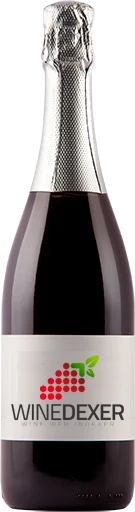
Winery Corte AllegraLambrusco Amabile
 Sparkling wine


This wine generally goes well with pork, poultry or rich fish (salmon, tuna etc).

Food and wine pairings with Lambrusco Amabile
Pairings that work perfectly with Lambrusco Amabile



Original food and wine pairings with Lambrusco Amabile


The Lambrusco Amabile of Winery Corte Allegra matches generally quite well with dishes of pork, rich fish (salmon, tuna etc) or mature and hard cheese such as recipes of leeks with ham and béchamel sauce, quick salmon skewers or tomato and comté pie.
Details and technical informations about Winery Corte Allegra's Lambrusco Amabile.
Discover the grape variety: Rèze
Structured, original dry and oxidative whites with a pale golden to amber colour, an ample palate and preserved acidity, showing signature aromas of candied citrus, dried fruits (walnut), honey, white flowers and alpine mineral notes, extended by slow oxidation in high-altitude barrels. Emblematic variety of the Vin du Glacier of Val d'Anniviers, aged in altitude by solera. Indigenous Swiss variety of the Valais, one of the oldest in the country.
Last vintages of this wine
The best vintages of Lambrusco Amabile from Winery Corte Allegra are 2018, 0
Informations about the Winery Corte Allegra
The Winery Corte Allegra is one of of the world's great estates. It offers 31 wines for sale in the of Lombardia to come and discover on site or to buy online.

The wine region of Lombardia
Three poles. Franciacorta DOCG, Italy's answer to Champagne: elegant brioche traditional-method sparklers (Chardonnay, Pinot Noir, Pinot Blanc), fine bubble and mineral profile. Alpine Valtellina: Nebbiolo (alias Chiavennasca) with fine tannins and red fruits, powerful Sforzato passito. Oltrepò Pavese: fresh Pinot Noir and fruity-sparkling Bonarda.
The word of the wine: Cuvée
Often followed by a name that allows for recognition and identification, the word "cuvée" designates a specific wine within the production of a winemaker. This wine is characterized by a specific grape variety, a type of maturation and an organoleptic profile. All the vintages of a domain constitute a range.