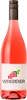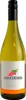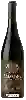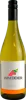
Winery CornaléBianco
 White wine


In the mouth this white wine is a powerful.
This wine generally goes well with lean fish, shellfish or mature and hard cheese.

Taste structure of the Bianco from the Winery Cornalé
Light | Bold | |
Dry | Sweet | |
Soft | Acidic |
In the mouth the Bianco of Winery Cornalé in the region of Vino da Tavola is a powerful.
Food and wine pairings with Bianco
Pairings that work perfectly with Bianco



Original food and wine pairings with Bianco


The Bianco of Winery Cornalé matches generally quite well with dishes of pasta, shellfish or mature and hard cheese such as recipes of spaghetti all 'amatriciana, blanquette of monkfish and scallops or onion soup.
Details and technical informations about Winery Cornalé's Bianco.
Discover the grape variety: Encruzado
Structured, aromatic dry whites with a pale golden robe, an ample palate and preserved acidity, with signature aromas of citrus (lemon), white-fleshed fruits (peach, pear), white flowers (acacia) and granitic mineral notes. Fine ageing potential, sometimes barrel-aged. Absolute star of Dão DOC, considered the great white wine of the region, excelling as a single variety. Autochthonous Portuguese white variety from the Dão.
Last vintages of this wine
The best vintages of Bianco from Winery Cornalé are 0
Informations about the Winery Cornalé
The Winery Cornalé is one of of the world's great estates. It offers 18 wines for sale in the of Vino da Tavola to come and discover on site or to buy online.

The wine region of Vino da Tavola
The freest category of Italian wine, with no grape or zone constraint. All styles: bold reds based on Bordeaux grapes (Cabernet, Merlot), atypical blends, maker's cuvées outside DOC rules. Historic cradle of the "Super Tuscans" in the 1960s-80s (Sassicaia, Tignanello, Ornellaia) before the creation of IGT in 1992. Today dedicated to everyday wines or winemaker experiments.
The word of the wine: Reassembly
During the vinification process, a "cap" is formed at the top of the vats with the solid parts (skin, pulp, pips, etc.), which contain tannins and colouring elements. Pumping over consists of emptying the vat from the bottom and pouring the juice back to the top, in order to mix the cap and the juice and to favour the exchange and the extraction. This old technique allows a better exchange between the solid parts and the liquid.