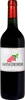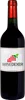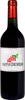
Winery Cooperativa de ViverMoonastrell Rosé
 wine
wine
This wine generally goes well with
The Moonastrell Rosé of the Winery Cooperativa de Viver is in the top 0 of wines of Castelló.
Details and technical informations about Winery Cooperativa de Viver's Moonastrell Rosé.
Discover the grape variety: Nerello mascalese
A very old grape variety grown in Italy, more precisely in the north of Sicily on the slopes of Mount Etna and in Sardinia. Its origin would be Greek because it was reported in Greece in the 7th century B.C. It is the result of a natural intraspecific crossing between sangiovese or nielluccio and mantonico bianco. It should not be confused with nerello capuccio and pignatello nero. It should be noted that Nerello mascalese seems to be a grape variety adapted to altitude, as is the case in Sicily where it is planted at a rate of 6,000 and 9,000 vines per hectare. It is practically unknown in other wine-producing countries, which is certainly due to its late ripening.
Informations about the Winery Cooperativa de Viver
The Winery Cooperativa de Viver is one of of the world's greatest estates. It offers 8 wines for sale in the of Castelló to come and discover on site or to buy online.

The wine region of Castelló
The wine region of Castelló is located in the region of Valence of Spain. Wineries and vineyards like the Domaine Barranc dels Cirers or the Domaine Barranc dels Cirers produce mainly wines red, white and sparkling. The most planted grape varieties in the region of Castelló are Cabernet-Sauvignon, Tempranillo and Merlot, they are then used in wines in blends or as a single variety. On the nose of Castelló often reveals types of flavors of blackberry, violet or plum and sometimes also flavors of leather, earth or oak.
The wine region of Valence
Valencia is a province in the centre of Spain's sunny east coast, perhaps better known for its oranges (and paella) than its wine. The administrative Center of Valencia is the city of the same name, the third largest in Spain and the largest port on the Mediterranean. Archaeological evidence suggests that wine making in Valencia dates back more than a thousand years, but the region has never been particularly prominent on the world wine map. In modern times, Valencia's wine production has focused on quantity rather than quality, although this is gradually changing.
The word of the wine: Dame-jeanne
Large bottle or wicker-clad carboy used to transport wine and store old spirits before blending.