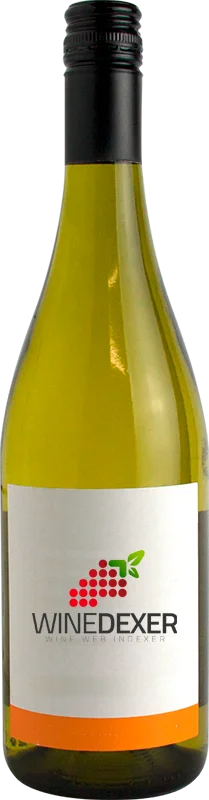
Winery Colorado CellarsChardonnay
 White wine
This wine is composed of 100% of the grape variety Chardonnay.
This wine generally goes well with pork, vegetarian or poultry.

Food and wine pairings with Chardonnay
Pairings that work perfectly with Chardonnay



Original food and wine pairings with Chardonnay

The Chardonnay of Winery Colorado Cellars matches generally quite well with dishes of pork, rich fish (salmon, tuna etc) or vegetarian such as recipes of sauté of pork with chorizo, endives with smoked salmon au gratin or mushroom, bacon and gruyere quiche.
Details and technical informations about Winery Colorado Cellars's Chardonnay.
Discover the grape variety: Chardonnay
Whites with many faces: mineral and taut at Chablis (lemon, green apple, flint), opulent and buttery at Meursault and Puligny-Montrachet (hazelnut, brioche, yellow fruits), tense and chalky in Champagne (Blanc de Blancs). Also vinified sparkling and widely exported (Sonoma, Margaret River, Casablanca). A Burgundian variety, a cross of Pinot Noir × Gouais Blanc, half-sibling of Aligoté.
Informations about the Winery Colorado Cellars
The Winery Colorado Cellars is one of of the world's greatest estates. It offers 17 wines for sale in the of Colorado to come and discover on site or to buy online.

The wine region of Colorado
American Far West vineyard at extreme altitude (1,200-2,000 m), among the highest in North America. A dry continental climate with strong thermal swings signing tension and freshness. Firm Cabernet Sauvignon reds with signature notes of blackcurrant, black cherry, cedar and menthol, tight tannins. Round, fruity Merlot (plum, cocoa), peppery Cabernet Franc.
The word of the wine: Malic (acid)
An acid that occurs naturally in many wines and is transformed into lactic acid during malolactic fermentation.