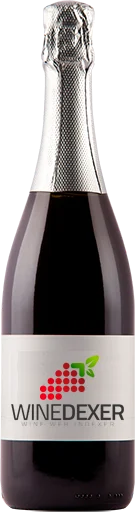
Winery Colli VicentiniGiulietta Spumante Demi-Sec
 Sparkling wine


This wine generally goes well with pork, beef or lamb.

Food and wine pairings with Giulietta Spumante Demi-Sec
Pairings that work perfectly with Giulietta Spumante Demi-Sec



Original food and wine pairings with Giulietta Spumante Demi-Sec


The Giulietta Spumante Demi-Sec of Winery Colli Vicentini matches generally quite well with dishes of beef, lamb or pork such as recipes of pot-au-feu, risotto of penne with chorizo and merguez or flemish carbonnade.
Details and technical informations about Winery Colli Vicentini's Giulietta Spumante Demi-Sec.
Discover the grape variety: Rabo de Ovelha
Lively and fresh dry whites with a pale golden robe, a supple palate and preserved acidity, with signature aromas of citrus (lemon), green apple, white flowers and Mediterranean herbal notes. A thirst-quenching Iberian profile to drink young. A traditional component of Portuguese white blends from the Tejo, Alentejo and Douro, expressing the identity of central Portugal. Native Portuguese white grape, whose name means "sheep's tail".
Last vintages of this wine
The best vintages of Giulietta Spumante Demi-Sec from Winery Colli Vicentini are 0
Informations about the Winery Colli Vicentini
The Winery Colli Vicentini is one of of the world's great estates. It offers 81 wines for sale in the of Veneto to come and discover on site or to buy online.

The wine region of Veneto
World star of Prosecco: fresh, light Glera sparklers with notes of pear, green apple and white flowers, fruity, convivial bubbles. Veronese reds from Corvina and Rondinella: light, crisp Bardolino, fruity Valpolicella, opulent, concentrated Amarone DOCG (black cherry, chocolate, raisin) from dried grapes. Mineral, almondy Soave (Garganega) whites, fresh Pinot Grigio. 97,500 ha, Italy's largest production.
The word of the wine: Botrytis
Fungus that causes grape rot.