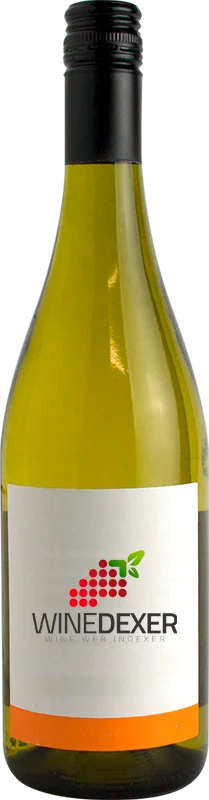
Winery CollecaprettaBuscaia
 White wine


In the mouth this white wine is a powerful with a nice freshness.
This wine generally goes well with lean fish, shellfish or mature and hard cheese.
Taste structure of the Buscaia from the Winery Collecapretta
Light | Bold | |
Dry | Sweet | |
Soft | Acidic |
In the mouth the Buscaia of Winery Collecapretta in the region of Umbria is a powerful with a nice freshness.
Wine flavors and olphactive analysis




On the nose the Buscaia of Winery Collecapretta in the region of Umbria often reveals types of flavors of citrus fruit.
Food and wine pairings with Buscaia
Pairings that work perfectly with Buscaia



Original food and wine pairings with Buscaia


The Buscaia of Winery Collecapretta matches generally quite well with dishes of pasta, shellfish or mature and hard cheese such as recipes of rigatoni with courgettes and tomatoes, american style lobster tails, great chef style or pizza with beef and comté cheese.
Details and technical informations about Winery Collecapretta's Buscaia.
Discover the grape variety: Gaillard 2
Interspecific cross between an othello-rupestris and the noah obtained in 1885 by Fernand Gaillard. In the 1960s, Gaillard 2 still represented nearly 4,000 hectares, particularly in the Centre-West and Burgundy regions. Today, it has practically disappeared.
Last vintages of this wine

The best vintages of Buscaia from Winery Collecapretta are 2017, 2015, 2014, 0 and 2016.
Informations about the Winery Collecapretta
The Winery Collecapretta is one of of the world's greatest estates. It offers 22 wines for sale in the of Umbria to come and discover on site or to buy online.

The wine region of Umbria
Umbria, in CentralItaly, is a region of lush hills, hilltop villages and iconic historic towns. The latter are exemplified by Orvieto and Assisi. At the very heart of the Italian peninsula, it is surrounded by Tuscany, Marche and Lazio. It is in fact the only Italian region without a coastline or international border.
The word of the wine: Tired
Wine that is too old, faded or has suffered from handling such as racking or bottling. In the first case it is too late, in the second case the wine must be put to rest for a few weeks in the cellar.