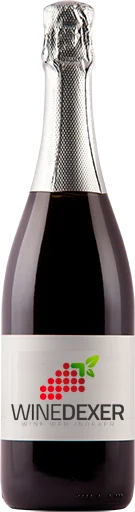
Winery Col del SoleValdobbiadene Prosecco Superiore Millesimato
 Sparkling wine



In the mouth this sparkling wine is a with a nice vivacity and a fine and pleasant bubble.
This wine generally goes well with vegetarian, appetizers and snacks or shellfish.
Taste structure of the Valdobbiadene Prosecco Superiore Millesimato from the Winery Col del Sole
Light | Bold | |
Soft | Acidic | |
Gentle | Fizzy |
In the mouth the Valdobbiadene Prosecco Superiore Millesimato of Winery Col del Sole in the region of Veneto is a with a nice vivacity and a fine and pleasant bubble.
Food and wine pairings with Valdobbiadene Prosecco Superiore Millesimato
Pairings that work perfectly with Valdobbiadene Prosecco Superiore Millesimato



Original food and wine pairings with Valdobbiadene Prosecco Superiore Millesimato


The Valdobbiadene Prosecco Superiore Millesimato of Winery Col del Sole matches generally quite well with dishes of shellfish, vegetarian or appetizers and snacks such as recipes of scallops with cream, quiche without pastry, courgette and blue cheese or aperitif skewers edam/basilic/dry apricot.
Details and technical informations about Winery Col del Sole's Valdobbiadene Prosecco Superiore Millesimato.
Discover the grape variety: Gamay blanc
Gamay noir is a grape variety that originated in France (Burgundy). It produces a variety of grape specially used for wine making. It is rare to find this grape to eat on our tables. This variety of grape is characterized by small bunches, and grapes of medium size. The Gamay noir can be found in many vineyards: South-West, Loire Valley, Languedoc & Roussillon, Cognac, Bordeaux, Beaujolais, Burgundy, Savoie & Bugey, Rhône Valley, Armagnac, Lorraine, Jura, Champagne, Provence & Corsica.
Last vintages of this wine
The best vintages of Valdobbiadene Prosecco Superiore Millesimato from Winery Col del Sole are 2017, 0
Informations about the Winery Col del Sole
The Winery Col del Sole is one of of the world's greatest estates. It offers 7 wines for sale in the of Conegliano-Valdobbiadene Prosecco Superiore to come and discover on site or to buy online.

The wine region of Conegliano-Valdobbiadene Prosecco Superiore
The wine region of Conegliano-Valdobbiadene Prosecco Superiore is located in the region of Conegliano-Valdobbiadene Prosecco of Vénétie of Italy. Wineries and vineyards like the Domaine PDC di De Conti Pietro or the Domaine Altaneve produce mainly wines sparkling, sweet and red. The most planted grape varieties in the region of Conegliano-Valdobbiadene Prosecco Superiore are Glera, Chardonnay and Sangiovese, they are then used in wines in blends or as a single variety. On the nose of Conegliano-Valdobbiadene Prosecco Superiore often reveals types of flavors of citrus, honey or ginger and sometimes also flavors of lemon, white peach or stone.
The wine region of Veneto
Veneto is an important and growing wine region in northeastern Italy. Veneto is administratively Part of the Triveneto area, aLong with its smaller neighbors, Trentino-Alto Adige and Friuli-Venezia Giulia. In terms of geography, culture and wine styles, it represents a transition from the Alpine and Germanic-Slavic end of Italy to the warmer, drier, more Roman lands to the South. Veneto is slightly smaller than the other major Italian wine regions - Piedmont, Tuscany, Lombardy, Puglia and Sicily - but it produces more wine than any of them.
The word of the wine: Cuvée
Often followed by a name that allows for recognition and identification, the word "cuvée" designates a specific wine within the production of a winemaker. This wine is characterized by a specific grape variety, a type of maturation and an organoleptic profile. All the vintages of a domain constitute a range.