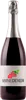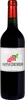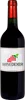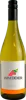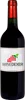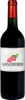
Winery Coco Farmツヴァイゲルト (Zweigelt)
 Red wine



This wine generally goes well with blue cheese, pork or lamb.
The ツヴァイゲルト (Zweigelt) of the Winery Coco Farm is in the top 90 of wines of Hokkaidō-ken.

Food and wine pairings with ツヴァイゲルト (Zweigelt)
Pairings that work perfectly with ツヴァイゲルト (Zweigelt)



Original food and wine pairings with ツヴァイゲルト (Zweigelt)

The ツヴァイゲルト (Zweigelt) of Winery Coco Farm matches generally quite well with dishes of lamb, pork or mature and hard cheese such as recipes of osso bucco of lamb, cantonese rice or pasta gratin with mortau sausage.
Details and technical informations about Winery Coco Farm's ツヴァイゲルト (Zweigelt).
Discover the grape variety: Zweigelt
Supple and fruity reds with a vivid ruby colour, soft tannins and snappy acidity, with aromas of sour cherry, raspberry, red plum and gentle spices. Made as easy-drinking young reds and as more structured, oak-aged cellar wines. The most planted red variety in Austria (Burgenland, Carnuntum, Neusiedlersee), created in 1922 by Friedrich Zweigelt in Klosterneuburg, a cross of saint laurent × blaufränkisch.
Last vintages of this wine
The best vintages of ツヴァイゲルト (Zweigelt) from Winery Coco Farm are 2016, 0, 2017
Informations about the Winery Coco Farm
The Winery Coco Farm is one of of the world's great estates. It offers 58 wines for sale in the of Hokkaidō-ken to come and discover on site or to buy online.

The wine region of Hokkaidō-ken
Japan's northernmost island (43°N, Burgundy latitude), cool-climate region on the rise. Signature Pinot Noir tailored for cold: fine, silky reds with signature tart cherry, raspberry, undergrowth, sweet spice and a mineral touch, delicate tannins and taut freshness — compared to cool-vintage Burgundies. Kerner (German crossing) in aromatic muscat-scented white (citrus, peach, flowers). Also precise Chardonnay, supple Zweigelt.
The word of the wine: Sulphur
An antiseptic and antioxidant substance known since antiquity, probably already used by the Romans. But it was only in modern times that its use was rediscovered. It will allow a better conservation of the wine and thus favour its export. Sulphur also gave the 18th century winegrower the possibility of extending the maceration period without fearing that the wine would turn sour and thus go from dark rosé wines to the red wines of today. Excessive sulphur, on the other hand, kills happiness, paralysing the aromas and causing headaches.