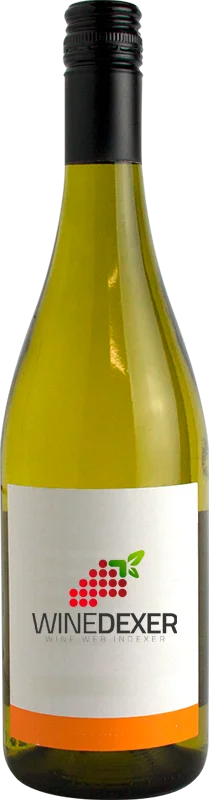
Clos Mon Vieux MoulinDonver Fiels Rivaner
 White wine



This wine generally goes well with

Details and technical informations about Clos Mon Vieux Moulin's Donver Fiels Rivaner.
Discover the grape variety: Garganega
Structured, aromatic whites with a round palate and fresh acidity, with aromas of fresh almond, white flowers, yellow apple, pear, citrus and volcanic mineral notes. Typical bitter almond finish. Made as noble dry whites (Soave Classico DOC, Soave Superiore DOCG) and sumptuous passito dessert wines (Recioto di Soave DOCG). Also in Gambellara DOC. Native Venetian variety from the volcanic hills south-east of Verona.
Last vintages of this wine
The best vintages of Donver Fiels Rivaner from Clos Mon Vieux Moulin are 0
Informations about the Clos Mon Vieux Moulin
The Clos Mon Vieux Moulin is one of of the world's great estates. It offers 27 wines for sale in the of Moselle to come and discover on site or to buy online.

The wine region of Moselle
World benchmark for cool-climate German Riesling, on vertiginous blue and grey slate slopes. Pure, precise whites with signature notes of lime, green apple, white peach, white flowers and marked chalky minerality ("gunflint"), low alcohol (~8-10%), taut acidity and crystalline tension. From dry Kabinett to sweet Auslese, up to luscious Beerenauslese, Trockenbeerenauslese and Eiswein. Also Müller-Thurgau and Elbling.
The word of the wine: Maderised
Term used to designate oxidized wines in reference to Madeira wines.