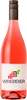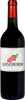
Clos des RosesIn Vino Veritas
 Red wine
This wine generally goes well with beef, lamb or mature and hard cheese.

Food and wine pairings with In Vino Veritas
Pairings that work perfectly with In Vino Veritas



Original food and wine pairings with In Vino Veritas

The In Vino Veritas of Clos des Roses matches generally quite well with dishes of beef, lamb or spicy food such as recipes of spaghetti with beef balls, blanquette of lamb or chili con carne.
Details and technical informations about Clos des Roses's In Vino Veritas.
Discover the grape variety: Borgonja
Structured, elegant reds with a deep ruby hue, firm and smooth tannins and a dense palate with fresh acidity; signature aromas of red fruits (morello cherry, raspberry), dark fruits (blackberry), spices, black pepper and mineral notes. Fine ageing potential. Grown in continental Croatia, Slavonia and the Balkans for characterful dry reds. Croatian synonym for Austrian Blaufränkisch (= Hungarian Kékfrankos, German Lemberger), native Central European black grape.
Informations about the Clos des Roses
The Clos des Roses is one of of the world's great estates. It offers 13 wines for sale in the of Côtes de Provence to come and discover on site or to buy online.

The wine region of Côtes de Provence
World reference for pale, elegant rosé: salmon to onion-skin hue, notes of strawberry, pink grapefruit, white peach and flowers, fresh, dry, mineral palate, taut finish. 90% of output, the Provençal signature. Grenache, Cinsault, Syrah and native Tibouren in the blend. A few fleshy Mediterranean reds (Mourvèdre, Syrah) and saline Vermentino whites.
The wine region of Provence
World capital of dry, refined rosé (~90% of production). Pale rose-petal colour, delicate nose of fresh red fruits (strawberry, raspberry, redcurrant), citrus (pink grapefruit), white flowers and a mineral touch, taut and thirst-quenching palate — the Mediterranean aperitif par excellence. Blends of Grenache, Cinsault, Syrah, Tibouren and Mourvèdre. Fleshy Bandol reds from Mourvèdre (leather, garrigue, age-worthy), straight Cassis whites.
The word of the wine: Decanting
A sommelier uses a decanter to separate the clear wine from the solid parts in a bottle.