The Clos de la Roilette of Fleurie of Beaujolais
Clos de la Roilette
The winery offers 5 different wines
3.8
Note - 1Note - 1Note - 1Note - 0.5Note - 0
Its wines get an average rating of 3.8.
It is ranked in the top 1 of the estates of Beaujolais.
It is located in Fleurie in the region of Beaujolais
Find the Clos de la Roilette on Facebook and on Twitter

The Clos de la Roilette is one of the largest wineries in the world. It offers 5 wines for sale in of Fleurie to come and discover on site or to buy online.

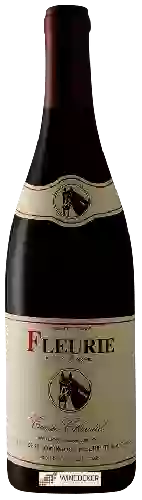
The Clos de la Roilette Estate is a prestigious vineyard located in the commune of Fleurie, in the heart of the Beaujolais region in France. Nearly a century old, it is famous for its Fleurie red wine, produced exclusively from the Gamay grape variety. The estate is nestled in a gorge amidst clay-granite terrain and spreads over an area of 9 hectares. The natural environment that surrounds it offers exceptional conditions for vine cultivation; a temperate climate, gentle sun-bathed slopes, and a mineral-rich granite soil. The name "Clos de la Roilette" originates from the Roilette family who owned this terroir in the 17th century. The word "clos" refers to a vineyard plot surrounded by walls, often found in Burgundy. In 1921, when Fleurie obtained its Appellation d'Origine Contrôlée (AOC) status, the then owner was displeased not to be part of the more prestigious Moulin-à-Vent appellation, and decided to name his wine "Clos de la Roilette" in homage to his horse Roilette. The specificity of the Clos de la Roilette Estate lies in its terroir and ancestral know-how. Here, everything is done to respect the environment and nature. Vines are cultivated according to organic farming principles, without the use of chemical pesticides or herbicides. The harvest is manual and the grapes are sorted on the vine. The wines of the estate are known for their elegance, finesse, and character. They are a reflection of the Fleurie terroir, beautifully expressing the fruitiness of the Gamay associated with a nice minerality.
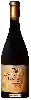
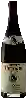
Top Clos de la Roilette wines

Looking for the best Clos de la Roilette wines in Fleurie among all the wines in the region? Check out our tops of the best red, white or effervescent Clos de la Roilette wines. Also find some food and wine pairings that may be suitable with the wines from this area. Learn more about the region and the Clos de la Roilette wines with technical and enological descriptions.

The top red wines of Clos de la Roilette

Food and wine pairings with a red wine of Clos de la Roilette

How Clos de la Roilette wines pair with each other generally quite well with dishes of pasta, veal or pork such as recipes of mascarpone pasta with tomato sauce, flank steak with shallots in red wine sauce or sauté of pork with cider.

Organoleptic analysis of red wines of Clos de la Roilette

On the nose the red wine of Clos de la Roilette. often reveals types of flavors of cherry, earthy or strawberries and sometimes also flavors of plum, raspberry or pepper. In the mouth the red wine of Clos de la Roilette. is a with a nice freshness.

The best vintages in the red wines of Clos de la Roilette

  • 2020With an average score of 4.05/5
  • 2019With an average score of 3.99/5
  • 2022With an average score of 3.98/5
  • 2021With an average score of 3.96/5
  • 2023With an average score of 3.94/5
  • 0With an average score of 3.91/5

The grape varieties most used in the red wines of Clos de la Roilette.

  • Gamay

Discovering the wine region of Fleurie

Beaujolais cru nicknamed the Queen, on the single commune of Fleurie. Signature Gamay noir: floral, perfumed reds with signature notes of violet, iris, strawberry, raspberry, peony and a peppery touch, silky tannins and an airy palate - the most delicate elegance of the crus. 13 recognised climats including Poncié, La Roilette, La Chapelle des Bois. Granitic soils with sandy gruss and manganese signing the finesse.

~799 ha. Drink young or age 5-10 years.

Discover the grape variety: Grand Noir de la Calmette

Very deeply coloured reds with a profound purple robe, moderate tannins and an ample palate, with simple aromas of black fruits (blackberry, blackcurrant) and inky notes. A teinturier profile with red flesh. Formerly planted massively in the Midi to reinforce blend colour, now marginal, still grown in the Languedoc, Spain and South America. A French teinturier black grape bred in 1855 by Henri Bouschet (aramon × petit bouschet).