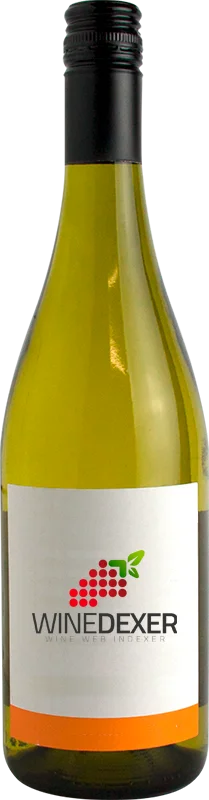
Winery EstevezPinot Grigio
 White wine


This wine generally goes well with poultry, veal or shellfish.

Wine flavors and olphactive analysis




On the nose the Pinot Grigio of Winery Estevez in the region of Central Valley often reveals types of flavors of non oak, earth or microbio and sometimes also flavors of vegetal, oak or tree fruit.
Food and wine pairings with Pinot Grigio
Pairings that work perfectly with Pinot Grigio



Original food and wine pairings with Pinot Grigio
The Pinot Grigio of Winery Estevez matches generally quite well with dishes of veal, shellfish or poultry such as recipes of escalope cordon bleu, chinese noodles with shrimp or potato cakes.
Details and technical informations about Winery Estevez's Pinot Grigio.
Discover the grape variety: Robola
Mineral, vibrant whites with fine ageing potential, a pale golden robe, taut structure, preserved acidity and signature aromas of citrus (lemon), white flowers, lemony notes and chalky minerality. Star of the Robola di Cefalonia appellation, thriving on the island's limestone soils and producing age-worthy whites. Autochthonous white grape of Kefalonia in the Ionian Islands.
Last vintages of this wine
The best vintages of Pinot Grigio from Winery Estevez are 0, 2019
Informations about the Winery Estevez
The Winery Estevez is one of of the world's great estates. It offers 32 wines for sale in the of Central Valley to come and discover on site or to buy online.

The wine region of Central Valley
Heart of modern Chilean wine: structured, sunny reds, dense, blackcurranty Cabernet Sauvignon from Maipo (Chilean cradle of the grape), signature Carménère with notes of ripe pepper, black fruit and sweet spices from Colchagua, supple Merlot and deep Syrah. Round Chardonnay whites and lively, sharp Sauvignon. Mediterranean climate, 400 km between Andes and Pacific. Star sub-regions: Maipo, Cachapoal, Colchagua, Curicó, Maule.
The word of the wine: Douçâtre
Soft wine with a dominant sweetness at the expense of freshness.