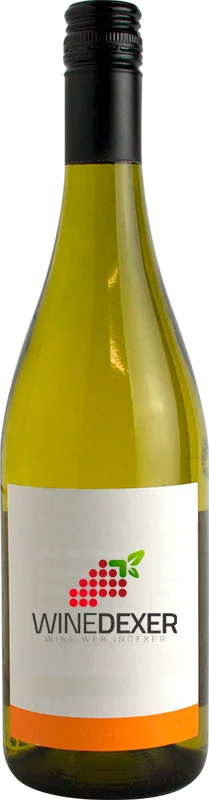
Winery CiccarielloCastelli Romani Bianco
 White wine


In the mouth this white wine is a with a nice freshness.
This wine generally goes well with vegetarian, appetizers and snacks or lean fish.

Taste structure of the Castelli Romani Bianco from the Winery Ciccariello
Light | Bold | |
Dry | Sweet | |
Soft | Acidic |
In the mouth the Castelli Romani Bianco of Winery Ciccariello in the region of Lazio is a with a nice freshness.
Food and wine pairings with Castelli Romani Bianco
Pairings that work perfectly with Castelli Romani Bianco



Original food and wine pairings with Castelli Romani Bianco


The Castelli Romani Bianco of Winery Ciccariello matches generally quite well with dishes of pasta, vegetarian or appetizers and snacks such as recipes of pasta with mushroom sauce, magic cake cheese quiche or christmas boots in knacki.
Details and technical informations about Winery Ciccariello's Castelli Romani Bianco.
Discover the grape variety: Sárgamuskotály
Aromatic and muscat whites with a pale to amber golden colour, a full palate, featuring intense signature aromas of muscat, white flowers (orange blossom), yellow fruits (apricot, peach) and honeyed notes in sweet styles. Also made dry and off-dry. A component of Tokaji Aszú blends (legendary sweet wine), Tokaji Szamorodni and dry Tokaji (with Furmint and Hárslevelű). Hungarian synonym for Muscat Blanc à Petits Grains.
Last vintages of this wine

The best vintages of Castelli Romani Bianco from Winery Ciccariello are 2015, 0
Informations about the Winery Ciccariello
The Winery Ciccariello is one of of the world's great estates. It offers 56 wines for sale in the of Lazio to come and discover on site or to buy online.

The wine region of Lazio
Two-millennia Roman vineyard, predominantly white on the volcanic soils of the Castelli Romani. Frascati DOC as figurehead: fresh, accessible whites based on Malvasia and Trebbiano, notes of green apple, white flowers and almond, slightly bitter finish. Also Bellone and Grechetto. Emblematic red: Cesanese del Piglio DOCG, fleshy with notes of ripe cherry, dry herbs and spice, round tannins.
The word of the wine: Phylloxera
Aphid that came from America and ravaged European vineyards at the end of the 19th century. It lives on the roots of the vine, from which it pumps the sap. The only vines capable of resisting it had to be imported from the United States, and then grafted onto their root system the wood of traditional French grape varieties. Today, grafted vines are always planted.