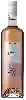
Chateau Saint Pierre Le HautCuvèe Appoline Corbières Rosé
 Pink wine
This wine generally goes well with vegetarian, appetizers and snacks or lean fish.

Food and wine pairings with Cuvèe Appoline Corbières Rosé
Pairings that work perfectly with Cuvèe Appoline Corbières Rosé



Original food and wine pairings with Cuvèe Appoline Corbières Rosé


The Cuvèe Appoline Corbières Rosé of Chateau Saint Pierre Le Haut matches generally quite well with dishes of pasta, vegetarian or appetizers and snacks such as recipes of my grandmother's macaroni gratin with gruyere cheese and smoked ham, summer tuna quiche or seed crackers.
Details and technical informations about Chateau Saint Pierre Le Haut's Cuvèe Appoline Corbières Rosé.
Discover the grape variety: Rousseli
Simple, fresh dry whites with a pale golden colour, supple palate with moderate acidity, undemonstrative aromas of citrus and white flowers. Rustic Provençal profile. Almost extinct, preserved in INRAE varietal collections for its heritage value, testament to the pre-phylloxera ampelographic diversity of southern vineyards and studied among heritage varieties. Rare French white variety, once grown in Provence.
Informations about the Chateau Saint Pierre Le Haut
The Chateau Saint Pierre Le Haut is one of of the world's greatest estates. It offers 4 wines for sale in the of Corbières to come and discover on site or to buy online.

The wine region of Corbières
Largest AOC in Languedoc, 95% Mediterranean reds. Signature old-vine Carignan (up to 60%): fleshy reds with black fruit, garrigue, black olive, spice and tight tannins. Blended with round, sunny Grenache, peppery Syrah, dense Mourvèdre and supple Cinsault. A few fresh rosés and whites (Grenache Blanc, Roussanne).
The wine region of Languedoc-Roussillon
Largest single French vineyard, dominated by sunny, generous reds. Spicy Syrah, candied Grenache (ripe fruit, garrigue), structured Carignan, deep Mourvèdre, supple Cinsault. Stars: structured Corbières, Minervois, Faugères, Saint-Chinian; round Côtes-du-Roussillon. Legendary vins doux naturels: Banyuls and Maury (fortified Grenache) with notes of cocoa, fig, prune.
The word of the wine: Bâtonnage
A very old technique that has come back into fashion in modern oenology, which consists of shaking the white wine in the barrels at the end of fermentation, or after fermentation, with a stick or a flail, in order to suspend the fine lees composed of yeasts at the end of their activity. This process is sometimes used for red wines.