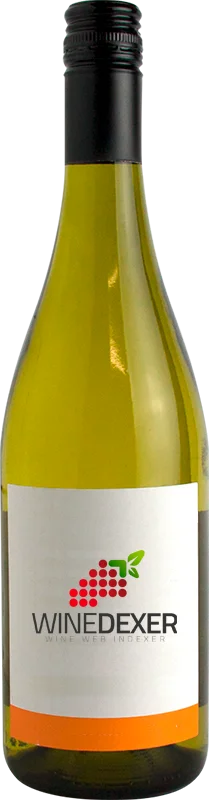
Château Moulin de GrilletCuvée Tradition Blaye Côtes de Bordeaux Blanc
 White wine



In the mouth this white wine is a powerful.
This wine generally goes well with pork, vegetarian or poultry.
Taste structure of the Cuvée Tradition Blaye Côtes de Bordeaux Blanc from the Château Moulin de Grillet
Light | Bold | |
Dry | Sweet | |
Soft | Acidic |
In the mouth the Cuvée Tradition Blaye Côtes de Bordeaux Blanc of Château Moulin de Grillet in the region of Bordeaux is a powerful.
Food and wine pairings with Cuvée Tradition Blaye Côtes de Bordeaux Blanc
Pairings that work perfectly with Cuvée Tradition Blaye Côtes de Bordeaux Blanc



Original food and wine pairings with Cuvée Tradition Blaye Côtes de Bordeaux Blanc


The Cuvée Tradition Blaye Côtes de Bordeaux Blanc of Château Moulin de Grillet matches generally quite well with dishes of pork, vegetarian or poultry such as recipes of baked dumplings, quiche with leeks and fresh salmon from flo or caramel chicken.
Details and technical informations about Château Moulin de Grillet's Cuvée Tradition Blaye Côtes de Bordeaux Blanc.
Discover the grape variety: Pinot gris
Pinot Gris is a grey grape variety mutated from Pinot Noir. It has its origins in Burgundy, where it is called pinot-beurot in reference to the colour of the grey robes worn by the monks of the region. Established in Alsace since the 17th century, pinot gris was called tokay until 2007. It is made up of bunches of small berries that vary in colour from pink to blue-grey. It is particularly well suited to the continental climate because it is resistant to the cold in winter and to spring frosts. This variety also likes dry limestone soils with plenty of sunshine in the summer. Pinot Gris is well suited to late harvesting or to the selection of noble grapes, depending on the year and the concentration of sugars in the berries. Pinot Gris wines are distinguished by their aromatic complexity of white fruits, mushrooms, honey, vanilla, cinnamon, etc., and their great finesse. In the Loire Valley, pinot gris is used in the Coteaux-d'Ancenis appellations. It gives dry or sweet wines with pear and peach aromas.
Informations about the Château Moulin de Grillet
The Château Moulin de Grillet is one of of the world's greatest estates. It offers 9 wines for sale in the of Blaye - Côtes de Bordeaux to come and discover on site or to buy online.

The wine region of Blaye - Côtes de Bordeaux
The wine region of Blaye - Côtes de Bordeaux is located in the region of Côtes de Bordeaux of Bordeaux of France. Wineries and vineyards like the Château Cailleteau Bergeron or the Château Haut-Lalande Grand Vin produce mainly wines red, white and pink. The most planted grape varieties in the region of Blaye - Côtes de Bordeaux are Merlot, Cabernet-Sauvignon and Cabernet franc, they are then used in wines in blends or as a single variety. On the nose of Blaye - Côtes de Bordeaux often reveals types of flavors of chocolate, red cherry or bay leaf and sometimes also flavors of black plum, mint or cocoa.
The wine region of Bordeaux
Bordeaux, in southwestern France, is one of the most famous, prestigious and prolific wine regions in the world. The majority of Bordeaux wines (nearly 90% of the production Volume) are the Dry, medium and Full-bodied red Bordeaux blends for which it is famous. The finest (and most expensive) are the wines of the great châteaux of Haut-Médoc and the right bank appellations of Saint-Émilion and Pomerol. The former focuses (at the highest level) on Cabernet Sauvignon, the latter on Merlot.
The word of the wine: Black Grenache
Grenache is a black grape variety that originated in Spain and is one of the great quality varieties of southern France. Sometimes vinified on its own, it is most often blended with one or more other Rhone or southern grape varieties with complementary qualities such as Syrah, Mourvèdre, Carignan or Cinsault. Its wines are warm, with aromas of red fruits (cherry) and spices; they oxidize with time. Vinified alone or in very large proportions, Grenache Noir also makes great natural sweet wines in Roussillon (Rivesaltes, Banyuls, Maury) and in the Rhône Valley (Rasteau).