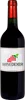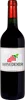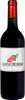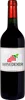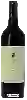
Château La BienfaisanceLes Oeuvres Saint-Émilion
 Red wine


In the mouth this red wine is a powerful with a nice balance between acidity and tannins.
This wine generally goes well with poultry, beef or game (deer, venison).
Taste structure of the Les Oeuvres Saint-Émilion from the Château La Bienfaisance
Light | Bold | |
Smooth | Tannic | |
Dry | Sweet | |
Soft | Acidic |
In the mouth the Les Oeuvres Saint-Émilion of Château La Bienfaisance in the region of Bordeaux is a powerful with a nice balance between acidity and tannins.
Food and wine pairings with Les Oeuvres Saint-Émilion
Pairings that work perfectly with Les Oeuvres Saint-Émilion



Original food and wine pairings with Les Oeuvres Saint-Émilion

The Les Oeuvres Saint-Émilion of Château La Bienfaisance matches generally quite well with dishes of beef, lamb or game (deer, venison) such as recipes of piglet shoulder with melting baked apples, irish stew or forest rabbit.
Details and technical informations about Château La Bienfaisance's Les Oeuvres Saint-Émilion.
Discover the grape variety: Perdin
Interspecific cross, obtained in 1981, between 7489 (direct white producer hybrid) and csaba pearl.
Last vintages of this wine
The best vintages of Les Oeuvres Saint-Émilion from Château La Bienfaisance are 2011
Informations about the Château La Bienfaisance
The Château La Bienfaisance is one of of the world's greatest estates. It offers 6 wines for sale in the of Saint-Émilion to come and discover on site or to buy online.

The wine region of Saint-Émilion
The wine region of Saint-Émilion is located in the region of Libournais of Bordeaux of France. Wineries and vineyards like the Domaine Baron Philippe de Rothschild or the Château Le Chatelet produce mainly wines red and white. The most planted grape varieties in the region of Saint-Émilion are Merlot, Cabernet franc and Cabernet-Sauvignon, they are then used in wines in blends or as a single variety. On the nose of Saint-Émilion often reveals types of flavors of black fruits, savory or cocoa and sometimes also flavors of bramble, raisin or sour cherry.
The wine region of Bordeaux
Bordeaux, in southwestern France, is one of the most famous, prestigious and prolific wine regions in the world. The majority of Bordeaux wines (nearly 90% of the production Volume) are the Dry, medium and Full-bodied red Bordeaux blends for which it is famous. The finest (and most expensive) are the wines of the great châteaux of Haut-Médoc and the right bank appellations of Saint-Émilion and Pomerol. The former focuses (at the highest level) on Cabernet Sauvignon, the latter on Merlot.
The word of the wine: Grafting
A method used since the phylloxera crisis, consisting of fixing a graft of local origin on a rootstock resistant to phylloxera.