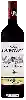
Château Haut Saint ClairLussac Saint Emilion
 Red wine
This wine generally goes well with poultry, beef or game (deer, venison).

Food and wine pairings with Lussac Saint Emilion
Pairings that work perfectly with Lussac Saint Emilion



Original food and wine pairings with Lussac Saint Emilion

The Lussac Saint Emilion of Château Haut Saint Clair matches generally quite well with dishes of beef, lamb or game (deer, venison) such as recipes of beef tongue with pickle sauce, lamb crumble with oregano and feta cheese or rabbit with goat cheese and mint.
Details and technical informations about Château Haut Saint Clair's Lussac Saint Emilion.
Discover the grape variety: Prié blanc
Lively, light, mineral whites from extreme altitude, with a pale golden robe, an airy, taut palate with preserved acidity, and signature aromas of citrus (lemon), white flowers (acacia), white-fleshed fruits and alpine mineral notes. Also vinified as high-mountain sparkling wines. Star of the Blanc de Morgex et de La Salle DOC (Aosta Valley, vineyards above 1000 m). Autochthonous white grape of the Aosta Valley, naturally resistant to phylloxera at altitude.
Informations about the Château Haut Saint Clair
The Château Haut Saint Clair is one of of the world's greatest estates. It offers 9 wines for sale in the of Lussac-Saint-Émilion to come and discover on site or to buy online.

The wine region of Lussac-Saint-Émilion
Northern Saint-Émilion satellite on the Bordeaux Right Bank (AOC 1936, ~72,000 hl/year): rich, silky reds dominated by Merlot — ripe red and black fruits, candied plum, pepper, undergrowth and animal leather notes with age, melted tannins and velvety texture. Cabernet Franc, Cabernet Sauvignon, Malbec and Petit Verdot in blends. Varied terroirs: southeastern clay-limestone hillsides typical of Saint-Émilion and gravelly western plateau, generous and accessible identity.
The wine region of Bordeaux
World-renowned age-worthy reds, led by round Merlot (plum, black fruit) or firm Cabernet Sauvignon (blackcurrant, cedar, graphite), blended with Cabernet Franc and Petit Verdot for tannic structure. Structured Médoc and Graves, velvety Saint-Émilion and Pomerol. Also crisp dry whites (Sauvignon/Sémillon) and opulent sweet Sauternes with honey and candied fruit. A 110,000 ha Gironde vineyard, 65 appellations, cradle of the 1855 classified growths.
The word of the wine: Free-run wine
The free-run wine is the wine that flows out of the vat by gravity at the time of running off. The marc soaked in wine is then pressed to extract a rich and tannic wine. Free-run wine and press wine are then aged separately and eventually blended by the winemaker in proportions defined according to the type of wine being made.