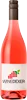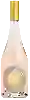
Winery Régis ChevalierChic Provence Rosé
 Pink wine



In the mouth this pink wine is a with a nice freshness.
This wine generally goes well with pork, vegetarian or poultry.

Taste structure of the Chic Provence Rosé from the Winery Régis Chevalier
Light | Bold | |
Dry | Sweet | |
Soft | Acidic |
In the mouth the Chic Provence Rosé of Winery Régis Chevalier in the region of Provence is a with a nice freshness.
Food and wine pairings with Chic Provence Rosé
Pairings that work perfectly with Chic Provence Rosé



Original food and wine pairings with Chic Provence Rosé

The Chic Provence Rosé of Winery Régis Chevalier matches generally quite well with dishes of pork, shellfish or vegetarian such as recipes of the real vegetables stuffed in the provençal way, quenelles in nantua sauce or summer tuna quiche.
Details and technical informations about Winery Régis Chevalier's Chic Provence Rosé.
Discover the grape variety: Niellucciu
Structured, elegant age-worthy reds with a deep ruby robe, firm tannins and an ample palate, with signature aromas of red fruits (cherry, plum), spices (pepper), garrigue, immortelle and Mediterranean notes. Also structured rosés. Star of Patrimonio AOC (northern Corsica, calcareous soils) and present in Cap Corse AOC. Corsican synonym for Nielluccio, identical to Italian Sangiovese; indigenous black variety from Cap Corse.
Informations about the Winery Régis Chevalier
The Winery Régis Chevalier is one of of the world's greatest estates. It offers 6 wines for sale in the of Provence to come and discover on site or to buy online.

The wine region of Provence
World capital of dry, refined rosé (~90% of production). Pale rose-petal colour, delicate nose of fresh red fruits (strawberry, raspberry, redcurrant), citrus (pink grapefruit), white flowers and a mineral touch, taut and thirst-quenching palate — the Mediterranean aperitif par excellence. Blends of Grenache, Cinsault, Syrah, Tibouren and Mourvèdre. Fleshy Bandol reds from Mourvèdre (leather, garrigue, age-worthy), straight Cassis whites.
The word of the wine: Côte des Blancs
One of the most famous terroirs of the Champagne region, from Épernay to Vertus, mainly devoted to Chardonnay, hence its name. The villages of Chouilly, Cramant, Cuis, Mesnil-sur-Oger, Avize, etc., lying on the chalk, are in a way to Champagne what Meursault, Chablis and Puligny are to Burgundy.