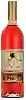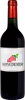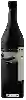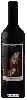
Château DianaForbidden Red Blend
 Red wine


In the mouth this red wine is a powerful with a nice balance between acidity and tannins.
This wine generally goes well with poultry, beef or veal.
Taste structure of the Forbidden Red Blend from the Château Diana
Light | Bold | |
Smooth | Tannic | |
Dry | Sweet | |
Soft | Acidic |
In the mouth the Forbidden Red Blend of Château Diana in the region of California is a powerful with a nice balance between acidity and tannins.
Wine flavors and olphactive analysis

Food and wine pairings with Forbidden Red Blend
Pairings that work perfectly with Forbidden Red Blend



Original food and wine pairings with Forbidden Red Blend

The Forbidden Red Blend of Château Diana matches generally quite well with dishes of beef, lamb or veal such as recipes of traditional flemish carbonades, chicken with merguez and tomatoes or vitello alla genovese (roast veal with sponge cake).
Details and technical informations about Château Diana's Forbidden Red Blend.
Discover the grape variety: Vidoc
A wine grape variety of the INRA-Resdur1 series with polygenic resistance (two genes for mildew and powdery mildew have been identified) resulting from an interspecific cross between Mtp 3082-1-42 (one of its parents is Vitis rotundifolia, which is resistant to Pierce's disease, mildew, grey rot, etc.) and Regent. The parents of Artaban are the same. Little multiplied, it is registered in the Official Catalogue of wine grape varieties list A1.
Last vintages of this wine
The best vintages of Forbidden Red Blend from Château Diana are 2019, 0
Informations about the Château Diana
The Château Diana is one of of the world's greatest estates. It offers 21 wines for sale in the of California to come and discover on site or to buy online.

The wine region of California
California is the largest and most important wine region in the United States. It represents the southern two-thirds (850 miles or 1,370 kilometers) of the country's west coast. (Oregon and Washington make up the rest. ) The state also spans nearly 10 degrees of latitude.
The word of the wine: Interknot
Botanical term for the interval between two nodes or between two leaf insertions on a branch (see merithallus).