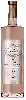
Château de TerrebonneCôtes de Provence Blanc
 White wine



This wine generally goes well with
Details and technical informations about Château de Terrebonne's Côtes de Provence Blanc.
Discover the grape variety: Colombaud
The colombaud grape variety is equally appreciated as a white table grape and as a wine grape. Originally from Provence, it is practically no longer found in the vineyards. It is known under several other names, including poupousaoumo, courambaou and bouteillan. An amber veil covers them on the sides most exposed to the sun. The thin, crumbly greenish skin protects an ellipsoidal or spherical pulp, juicy and firm in consistency. The pulp has a simple, pleasant and slightly spicy taste. The berries are gathered in bunches carried by strong peduncles. The grapes are of medium length, compact and cylindrical-conical in shape, often with fins, and are harvested at the third medium period, as the grapevine buds late. Short pruning is best suited to this semi-erect plant, which likes exposed, warm soil.
Last vintages of this wine
The best vintages of Côtes de Provence Blanc from Château de Terrebonne are 2020, 2018, 0
Informations about the Château de Terrebonne
The Château de Terrebonne is one of of the world's greatest estates. It offers 11 wines for sale in the of Côtes de Provence to come and discover on site or to buy online.

The wine region of Côtes de Provence
The AOC Côtes de Provence is the largest appellation in the Provence wine region of southeastern France. It covers about 20,000 hectares of vineyards, which produce the vast majority of Provence's rosé wine. This appellation includes most of the vineyards in the Var department - essentially the eastern half of the Provence wine region - with the exception of 2,250 hectares North of Toulon which are reserved for the Côteaux Varois en Provence appellation. Although it also covers red and white wine, about 80% of Côtes de Provence production is rosé.
The wine region of Provence
Provence is a wine region in the far southeast of France, best known for the quality (and quantity) of its rosé wines and for its Warm, mild Climate. The modernization that is taking place in many of the traditional wine regions of southern France has not yet taken place to the same extent in Provence, but there are Clear signs of change. The region's Grape varieties, in particular, have come under scrutiny in recent decades. Traditional varieties such as Carignan, Barbaroux (Barbarossa from Sardinia) and Calitor are being replaced by more commercially viable varieties such as Grenache, Syrah and even Cabernet Sauvignon.
The word of the wine: Second wine
In the Bordeaux vineyard, the second wine is a lesser-aged wine made from the youngest vines, while the main wine of the château is called the "grand vin".