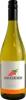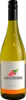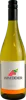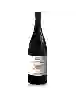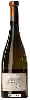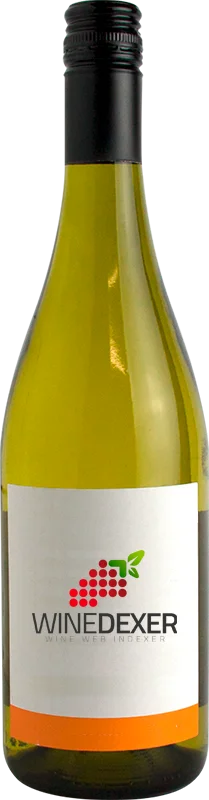
Château de QuinçayTouraine Chenonceaux Blanc
 White wine
This wine generally goes well with vegetarian, rich fish (salmon, tuna etc) or shellfish.

Food and wine pairings with Touraine Chenonceaux Blanc
Pairings that work perfectly with Touraine Chenonceaux Blanc



Original food and wine pairings with Touraine Chenonceaux Blanc
The Touraine Chenonceaux Blanc of Château de Quinçay matches generally quite well with dishes such as recipes .
Details and technical informations about Château de Quinçay's Touraine Chenonceaux Blanc.
Discover the grape variety: Isa
Simple, fresh dry whites with a pale golden colour, supple palate with moderate acidity, undemonstrative aromas of citrus and white flowers. Rustic, discreet profile. Preserved in a few ampelographic collections as a heritage variety of historical interest, its commercial diffusion has almost disappeared; studied for its genetic interest. Rare, poorly documented white variety grown in tiny quantities.
Last vintages of this wine


The best vintages of Touraine Chenonceaux Blanc from Château de Quinçay are 2018, 0
Informations about the Château de Quinçay
The Château de Quinçay is one of of the world's greatest estates. It offers 21 wines for sale in the of Touraine to come and discover on site or to buy online.

The wine region of Touraine
Signature Sauvignon as king of Touraine whites (~80% of plantings): dry, expressive with notes of citrus, green apple, gooseberry, white flowers, exotic fruit and a touch of boxwood, lively acidity — ideal aperitif. Gamay as a juicy, crunchy red (cherry, raspberry, discreet tannins), more structured Cabernet Franc (bell pepper, raspberry) and dense Côt to complete it. Chenin and Chardonnay among whites. Vast Loire AOC between Blois and Tours, tuffeau and flint.
The wine region of Loire Valley
Kingdom of lively, dry whites and fine sparklers. Mineral, taut Sauvignon Blanc (Sancerre, Pouilly-Fumé) with citrus and gunflint notes. Multiform Chenin Blanc (Vouvray, Savennières, Layon): straight dry, floral off-dry or noble sweet honey-quince. Saline, iodised Muscadet (Melon B.
The word of the wine: Provignage
A vine reproduction technique that consists of burying a vine shoot that takes root and reproduces a plant with the same characteristics as the vine to which it is attached.