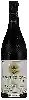
Château de la Croix ChabrieresBeauté du Naturel
 Red wine
This wine generally goes well with beef, lamb or mature and hard cheese.

Food and wine pairings with Beauté du Naturel
Pairings that work perfectly with Beauté du Naturel



Original food and wine pairings with Beauté du Naturel

The Beauté du Naturel of Château de la Croix Chabrieres matches generally quite well with dishes of beef, lamb or spicy food such as recipes of celine's version of moussaka (5th meeting), rack of lamb with antiboise sauce or chicken breast with curry and mushrooms.
Details and technical informations about Château de la Croix Chabrieres's Beauté du Naturel.
Discover the grape variety: Gros Colman
Table grape with long clusters and spherical blue-black berries with thick skin and juicy flesh, with a pleasant sweet taste. Late-ripening. Very rarely vinified. Father of the Alphonse Lavallée. Now marginal in commercial cultivation, it survives in a few amateur gardens and ampelographic collections for its heritage value and genetic interest. French black table grape variety, grown for fresh consumption in the 19th century.
Informations about the Château de la Croix Chabrieres
The Château de la Croix Chabrieres is one of of the world's great estates. It offers 27 wines for sale in the of Rhone Valley to come and discover on site or to buy online.

The wine region of Rhone Valley
France's 2nd-largest AOC vineyard, two complementary worlds. Northern: pure Syrah in signature reds (Côte-Rôtie, Hermitage, Cornas), deep and peppery with blackberry, violet, black olive and smoked bacon notes, exceptional ageing. Opulent Viognier whites (Condrieu, apricot, flowers) and ample Marsanne-Roussanne. Southern: sun-soaked Grenache blends at Châteauneuf, Gigondas, Vacqueyras (candied fruit, garrigue).
The word of the wine: Tanin
A natural compound contained in the skin of the grape, the seed or the woody part of the bunch, the stalk. The maceration of red wines allows the extraction of tannins, which give the texture, the solidity and also the mellowness when the tannins are "ripe". The winemaker seeks above all to extract the tannins from the skin, the ripest and most noble. The tannins of the seed or stalk, which are "greener", especially in average years, give the wine hardness and astringency. The wines of Bordeaux (based on Cabernet and Merlot) are full of tannins, those of Burgundy much less so, with Pinot Noir containing little.