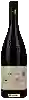
Château de FlaugerguesSyrah
 Red wine
In the mouth this red wine is a powerful with a nice balance between acidity and tannins.
This wine generally goes well with beef, veal or pasta.

Taste structure of the Syrah from the Château de Flaugergues
Light | Bold | |
Smooth | Tannic | |
Dry | Sweet | |
Soft | Acidic |
In the mouth the Syrah of Château de Flaugergues in the region of Pays d'Oc is a powerful with a nice balance between acidity and tannins.
Food and wine pairings with Syrah
Pairings that work perfectly with Syrah



Original food and wine pairings with Syrah
The Syrah of Château de Flaugergues matches generally quite well with dishes of beef, pasta or veal such as recipes of autumn leaves, light lasagne without béchamel sauce or veal chops au gratin.
Details and technical informations about Château de Flaugergues's Syrah.
Discover the grape variety: Malvasia nera di Basilicata
Supple, aromatic reds with a deep ruby hue, moderate tannins and a light palate, showing aromas of dark fruits (blackberry, blackcurrant), violet, soft spices and floral notes. Fragrant, approachable profile. Often blended with Aglianico, it adds roundness and fruitiness to the reds of Vulture and southern Lucanian appellations. Black Malvasia variety grown in Basilicata, southern Italy.
Informations about the Château de Flaugergues
The Château de Flaugergues is one of of the world's great estates. It offers 32 wines for sale in the of Pays d'Oc to come and discover on site or to buy online.

The wine region of Pays d'Oc
The single-grape IGP par excellence: modern, accessible, frank and fruity wines, the popular signature of the Midi. Spicy Syrah reds (pepper, blackberry), round Merlot, structured Cabernet, generous Grenache, supple Cinsault. Crisp, tangy rosés. Opulent Chardonnay whites, lively Sauvignon, floral, apricoty Viognier.
The word of the wine: Maceration
Prolonged contact and exchange between the juice and the grape solids, especially the skin. Not to be confused with the time of fermentation, which follows maceration. The juice becomes loaded with colouring matter and tannins, and acquires aromas. For a rosé, the maceration is short so that the colour does not "rise" too much. For white wines too, a "pellicular maceration" can be practised, which allows the wine to acquire more fat.