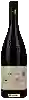
Château de FlaugerguesCuvée 1696 La Méjanelle Rouge
 Red wine



In the mouth this red wine is a powerful with a nice balance between acidity and tannins.
This wine generally goes well with beef, veal or pasta.

Taste structure of the Cuvée 1696 La Méjanelle Rouge from the Château de Flaugergues
Light | Bold | |
Smooth | Tannic | |
Dry | Sweet | |
Soft | Acidic |
In the mouth the Cuvée 1696 La Méjanelle Rouge of Château de Flaugergues in the region of Languedoc-Roussillon is a powerful with a nice balance between acidity and tannins.
Food and wine pairings with Cuvée 1696 La Méjanelle Rouge
Pairings that work perfectly with Cuvée 1696 La Méjanelle Rouge



Original food and wine pairings with Cuvée 1696 La Méjanelle Rouge
The Cuvée 1696 La Méjanelle Rouge of Château de Flaugergues matches generally quite well with dishes of beef, pasta or veal such as recipes of blanquette of monkfish with small vegetables, fettuccine with cream and cheese or locro criollo (argentina).
Details and technical informations about Château de Flaugergues's Cuvée 1696 La Méjanelle Rouge.
Discover the grape variety: Ruby-cabernet
Deeply coloured, structured reds with a deep ruby robe, smooth tannins and preserved acidity under warm conditions, with aromas of blackcurrant, blackberry, plum, spice and blackcurrant-leaf herbal notes. Round palate, fruity finish. Productive and heat-tolerant, it produces high-volume reds in California (Central Valley), South Africa, Australia, Argentina, Mexico and Israel. Californian variety created in 1936 by Harold Olmo at UC Davis (Cabernet Sauvignon × Carignan).
Last vintages of this wine
The best vintages of Cuvée 1696 La Méjanelle Rouge from Château de Flaugergues are 2013
Informations about the Château de Flaugergues
The Château de Flaugergues is one of of the world's greatest estates. It offers 32 wines for sale in the of La Méjanelle to come and discover on site or to buy online.

The wine region of La Méjanelle
AOC Languedoc east of Montpellier (communes of Castelnau-le-Lez, Mauguio and Saint-Aunès in Hérault, rare terroir of rounded pebbles on 3–4 m of rubefied red clay, regular maritime ventilation from breezes, classified AOC Coteaux du Languedoc 1985): Syrah and Grenache as signature reds on warm pebbly terrain — Mediterranean fleshy profiles with dark fruits and garrigue. Mourvèdre, Carignan and Cinsault as complements; characteristic reds and rosés.
The wine region of Languedoc-Roussillon
Largest single French vineyard, dominated by sunny, generous reds. Spicy Syrah, candied Grenache (ripe fruit, garrigue), structured Carignan, deep Mourvèdre, supple Cinsault. Stars: structured Corbières, Minervois, Faugères, Saint-Chinian; round Côtes-du-Roussillon. Legendary vins doux naturels: Banyuls and Maury (fortified Grenache) with notes of cocoa, fig, prune.
The word of the wine: Acidic (flavor)
Acidity is present in all wines, and is essential in white wines. It is due to the presence of different organic acids in the wine, and is expressed in the mouth by a sensation of freshness combined with other elements, such as minerality or a note of bitterness. Moderately present, it brings relief and vivacity to the wine.