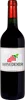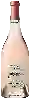
Château de FlaugerguesNoblesse Rosé
 Pink wine
In the mouth this pink wine is a with a nice freshness.
This wine generally goes well with vegetarian, appetizers and snacks or lean fish.
Taste structure of the Noblesse Rosé from the Château de Flaugergues
Light | Bold | |
Dry | Sweet | |
Soft | Acidic |
In the mouth the Noblesse Rosé of Château de Flaugergues in the region of Languedoc-Roussillon is a with a nice freshness.
Food and wine pairings with Noblesse Rosé
Pairings that work perfectly with Noblesse Rosé



Original food and wine pairings with Noblesse Rosé


The Noblesse Rosé of Château de Flaugergues matches generally quite well with dishes of pasta, vegetarian or appetizers and snacks such as recipes of awara broth, zucchini and goat cheese quiche or tempura of vegetables and quick.
Details and technical informations about Château de Flaugergues's Noblesse Rosé.
Discover the grape variety: Etraire de la Dui
Etraire de la Dui is a black grape variety, originating from the department of Isère. It is so similar to the Persian that many people have difficulty differentiating between them. This resemblance has earned it the nickname "gros persan". This grape variety is now in danger of extinction. It is only cultivated on 10ha. The leaves of the Dui are large and have convex teeth. Its bunches and berries are generally large. A vigorous variety, it is quite productive and prefers a short pruning. This plant appreciates deep, clay-limestone soils. With an average budburst, it reaches maturity in the second half of the year. It fears winter frosts and is susceptible to shattering, especially when fully ripe. On the other hand, it defends itself well against powdery mildew and grey rot. This variety produces concentrated, colorful and tannic wines. Some of them are astringent when the grape variety is too ripe.
Informations about the Château de Flaugergues
The Château de Flaugergues is one of of the world's great estates. It offers 32 wines for sale in the of Languedoc to come and discover on site or to buy online.

The wine region of Languedoc
Languedoc (formerly Coteaux du Languedoc) is a key appellation used in the Languedoc-Roussillon wine region of southern France. It covers Dry table wines of all three colors (red, white and rosé) from the entire region, but leaves Sweet and Sparkling wines to other more specialized appellations. About 75% of all Languedoc wines are red, with the remaining 25% split roughly down the middle between whites and rosés. The appellation covers most of the Languedoc region and almost a third of all the vineyards in France.
The wine region of Languedoc-Roussillon
Languedoc (formerly Coteaux du Languedoc) is a key appellation used in the Languedoc-Roussillon wine region of southern France. It covers Dry table wines of all three colors (red, white and rosé) from the entire region, but leaves Sweet and Sparkling wines to other more specialized appellations. About 75% of all Languedoc wines are red, with the remaining 25% split roughly down the middle between whites and rosés. The appellation covers most of the Languedoc region and almost a third of all the vineyards in France.
The word of the wine: Cellar
A place for storing and ageing wines in bottles. This term designates both the cellar of a private individual and that of a restaurant. It is also a store dedicated to the retail sale of wine.